
Are Blockchain Games Safe? How to Spot Real vs Fake Web3 Games
Disclosure: This article contains referral links for certain page links provided. I may be compensated for successful referrals. These referral links may contain additional rewards for you.
Introduction
Skepticism around Web3 games isn’t irrational.
If you’ve been around crypto or blockchain gaming long enough, you’ve seen the hype cycles. Massive token launches. Promises of “play-to-earn.” Discords full of hype. Then… silence.
So when someone asks me, “Are Web3 games legit or just scams?”
my honest answer is:
Some are real.
Many aren’t.
And the difference is usually obvious if you know what to look for.
I’ve tried dozens of blockchain games over the past few years. Some impressed me. Others felt like financial traps disguised as games. This article breaks down how to tell them apart.
Why Web3 Gaming Got a Bad Reputation
Let’s start with context.
Web3 gaming exploded in 2021 during the crypto bull run. Games like Axie Infinity popularized the “Play-To-Earn” model. For a moment, it looked revolutionary.
But here’s what actually happened:
- Many projects prioritized token speculation over gameplay.
- Early adopters made money.
- Late adopters held worthless tokens.
- Unsustainable economies collapsed.
That cycle created three major problems:
1. Financial-first design
Games were marketed as investment vehicles, not entertainment products.
2. Ponzi-like Tokenomics
Rewards depended heavily on new players joining constantly.
3. Overpromising marketing
“AAA graphics.” “Guaranteed passive income.” “The next big thing.”
When those claims didn’t materialize, trust evaporated.
And honestly? That distrust is needed.
Legit Web3 Games vs Scam Projects: Key Differences
Not all blockchain games are built the same. From experience, here’s what separates serious projects from cash grabs.
1. What comes first: Game or Token?
Scam mindset:
“Buy our NFT. Earn 200% APY. Massive token launch soon.”
Legit mindset:
“Here’s the gameplay. Here’s what we're expecting to launch. Blockchain enhances ownership.”
If the token is the main selling point, that’s a red flag.
2. Gameplay Depth
Real games:
- Have actual mechanics.
- Require skill or strategy.
- Can be enjoyed even without earning money.
Scam projects:
- Reduce gameplay to clicking buttons.
- Focus on yield farming mechanics.
- Feel more like DeFi dashboards than games.
If you wouldn’t play it without the rewards, that tells you something.
3. Revenue Model
Long gone are the days when you'll put money into web3 games just from speculation.
Legit projects think long-term:
- Sustainable monetization (cosmetics, expansions, marketplace fees).
- Distribution on major digital storefronts (Steam, App Store, Google Play, etc.)
- Clear economic design.
Scams rely on:
- Initial NFT mint sales for initial development.
- Speculative token pumps.
- “Community hype” as the main growth engine.
Red Flags to Watch Out For
Here are the biggest warning signs I’ve personally learned to avoid.
🚩 Guaranteed Earnings
If a Web3 game promises fixed or guaranteed returns, walk away.
Games are entertainment products.
Markets fluctuate.
Nothing is guaranteed.
When I see phrases like “risk-free yield” or “stable daily income,” that’s usually a financial trap disguised as a game.
🚩 NFT-Only Gameplay
If the only gameplay loop is:
- Buy NFT
- Stake NFT
- Earn token
That’s not a game. That’s a financial instrument with a gamified UI.
Staking NFTs isn't a game. Real games can be played.
🚩 Anonymous Teams
Web3 games are huge; it's highly unlikely anyone without a prior game development background has the required skills to develop one. It needs a game studio set up as an established company that will definitely be declaring tax income.
Gaming Studios aren't like Crypto founders nor Content Creators:
- Crypto Founders might need anonymity to stay safe in public. The creator of Bitcoin (Satoshi Nakamoto) remains anonymous to this day.
- Content Creators embrace public personas to stay immersive. Most Vtubers keep their real identities hidden.
If there’s no track record, no verifiable development history, and no public interviews or AMAs, you’re trusting strangers with your money.
That’s an unnecessary risk.
Green Flags of Legit Web3 Game Studios
Now let’s talk about what builds credibility.
✅ Gameplay-first philosophy
It's a good sign if the trailer and demo focus on mechanics, combat, and progression systems.
When the first question they answer is “Is it fun?” instead of “What’s the Annual Yield Percentage (APY)?”, you're heading in the right direction.
✅ Transparent team
Doxxed founders.
Visible developers.
Regular updates.
Teams that show their faces and ship consistently are far less likely to rug.
✅ Playable before token speculation
Some of the better Web3 games allow you to:
- Play for free first.
- Understand the mechanics.
- Decide later whether you want to put money into the game.
Real Examples of Legit Web3 Games
There are a few suggestions that feel more game-focused than speculation-driven. In these games, you can:
- Play without heavy upfront investment.
- Earn tradable cards.
- Compete based on skill.
Axie Infinity: Origins (Ronin Chain)
The spin-off to the game that kick-started web3 gaming is your best place to try.
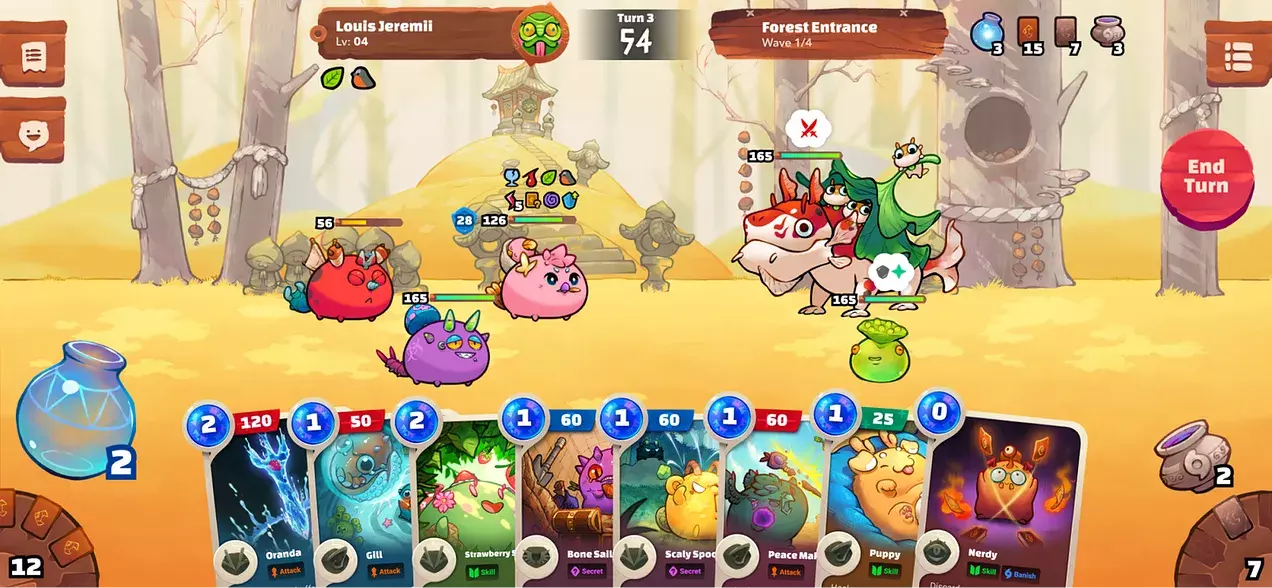
Players can take down evil Chimeras in the Adventure mode (PvE) or challenge in the Arena (PvP) to reach the top of the Leaderboard.
You can buy the Axie NFTs after you're more familiar with the game.
If you're interested in other games on Ronin Chain, you can find them on the Ronin App.
Gods Unchained (Immutable Chain)
It's a blockchain-based TCG that actually feels like a competitive card game. It has also been around since 2021, similar to Axie Infinity.
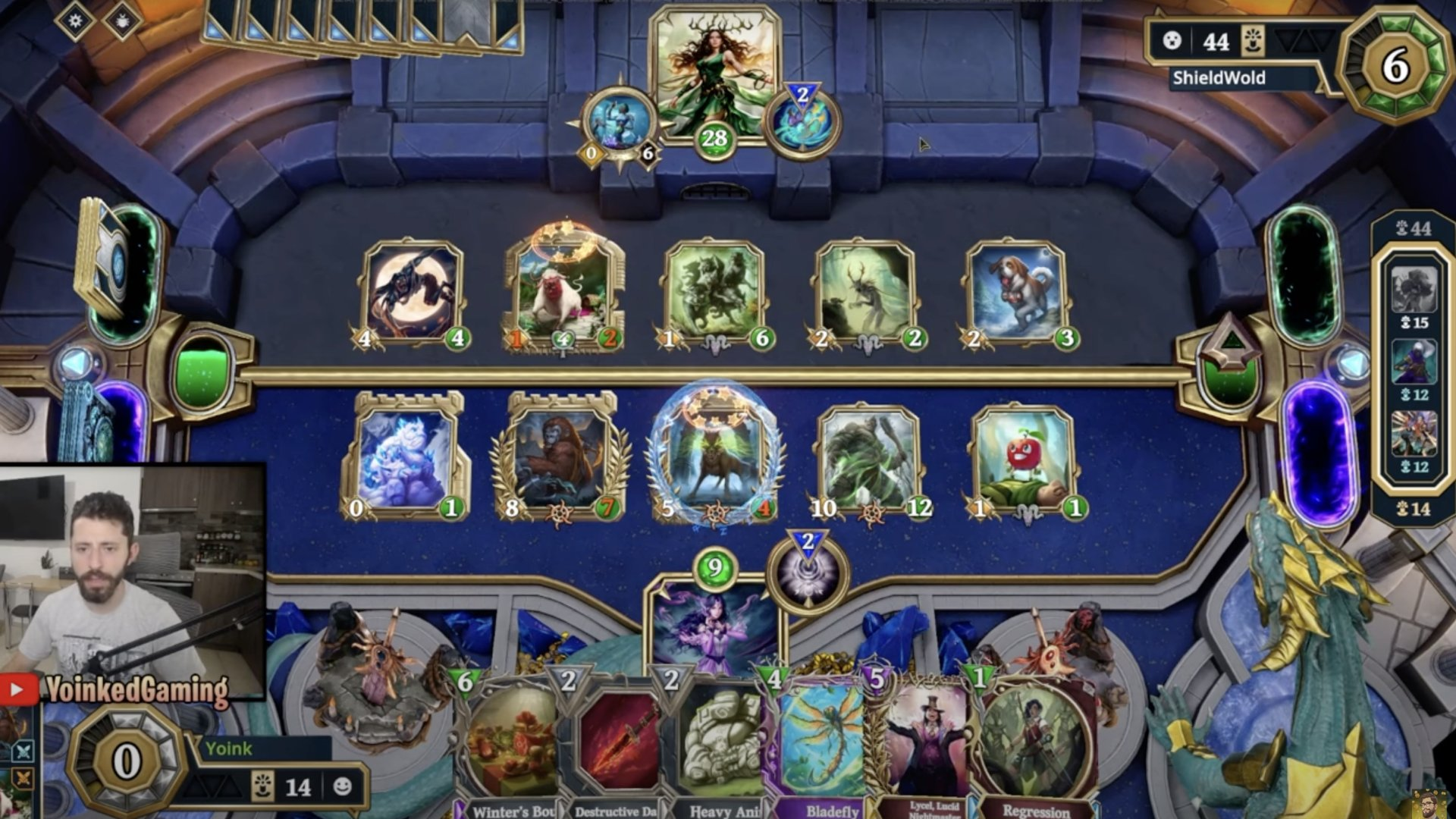
It’s closer to a traditional digital TCG with ownership added, rather than a token farm.
If you're interested in other games on Immutable Chain, you can find them on Immutable Play.
How to Safely Try a Web3 Game Without Risking Money
You don’t need to “go all in.”
Here’s the smarter approach I recommend:
1. Start free if possible
Many legit Web3 games offer free starter decks, characters, or limited modes.
If they force you to buy expensive NFTs before touching the game, reconsider.
If you're looking for web3 games on Steam, you can also check my Steam Curator page.
2. Treat it as entertainment, not investment
Mentally categorize it like this:
- Would I spend this amount on a normal game?
- Am I okay losing this completely?
If the answer is no, don’t proceed.
3. Avoid FOMO
Most bad decisions happen during hype phases.
Token launch. Influencer threads. Discord countdowns.
When everyone screams “last chance,” that’s when discipline matters most.
The Fear Of Missing Out (FOMO) is real. Avoid at all costs.
4. Use a separate wallet
If you’re experimenting:
- Use a fresh wallet.
- Don’t connect your main holdings.
- Limit exposure.
Basic risk management goes a long way.
Final Verdict: Are Web3 Games Legit or Just Scams?
They’re a spectrum.
The technology itself isn’t the problem.
The incentives are.
Approach Web3 games like you would early-access indie titles:
- Expect experimentation.
- Expect volatility.
- Expect some failures.
But don’t dismiss the entire space because of its worst actors.
Legitimate teams are building interesting experiences.
You just need to filter aggressively.
If you’re exploring this space, I’d recommend also reading:
 Annaz
Annaz
 Annaz
Annaz

Comments ()