
Inari: A One-Life Platformer That Punishes Every Mistake

Introduction
Inari is not here to be fair. It’s here to test you.
This is a precision platformer built around one brutal idea: you only get one life. No checkpoints. No forgiveness. One mistake and you’re back to the start.
I spent hours with the demo, dying over and over again, and somehow… enjoying it. Here’s my full Inari review, what works, what hurts, and whether this one-life platformer is actually worth your time.
What Is Inari?
Inari is a fast-paced action platformer focused on instant teleportation, tight combat, and ruthless difficulty.
You play as Izuna, the Executor of the High Realm known to mortals as the Reaper. Your mission is simple in concept but brutal in execution: hunt down and eliminate the Seven Daughters, princesses who dared to defy the heavens.
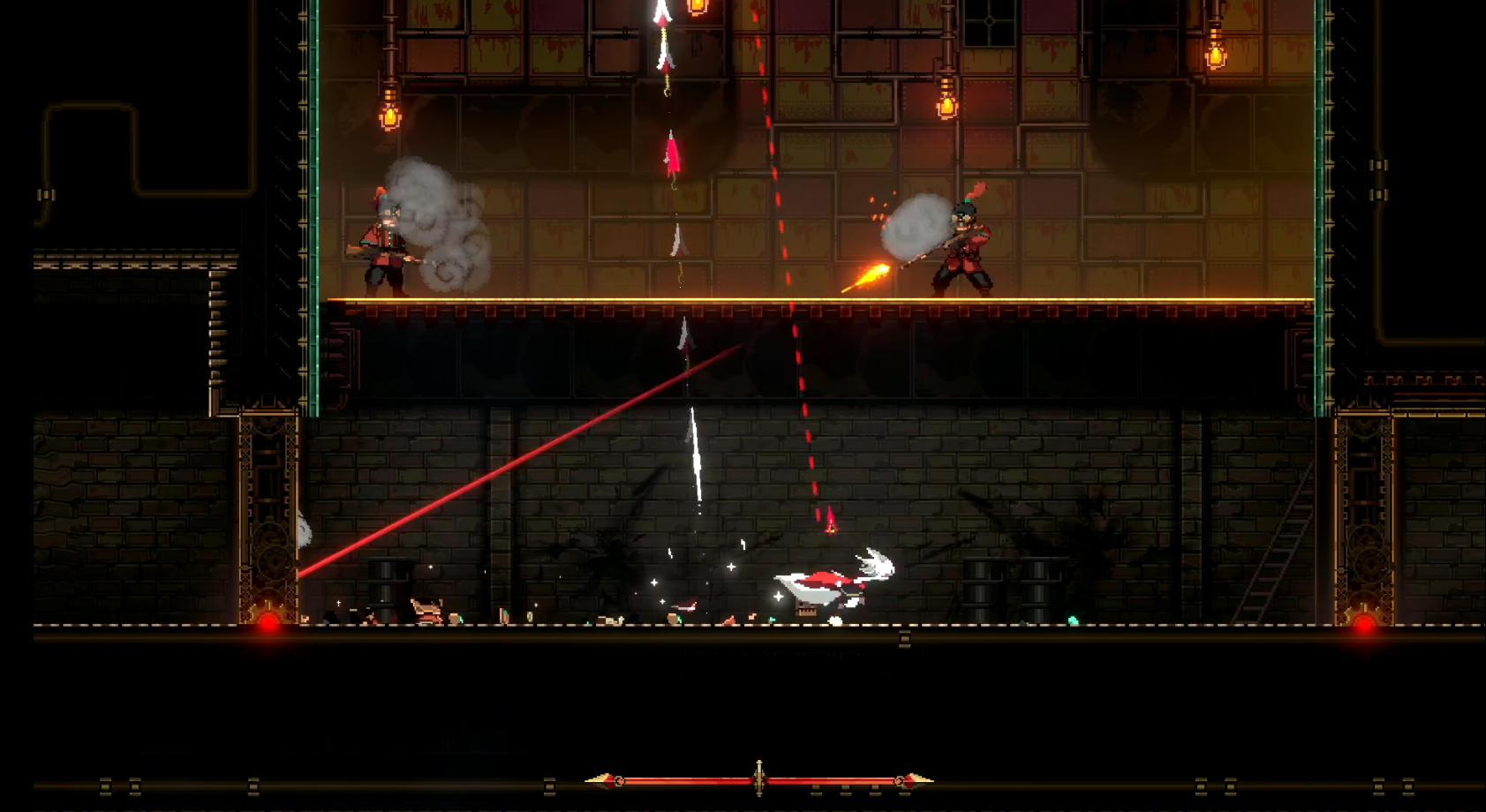
This isn’t a roguelike. It’s not a Soulslike either.
Inari sits in a niche of its own, closer to games like Katana Zero or Ghostrunner, but stripped down to its most punishing core.
Game Modes: Normal vs Story Mode
When you start Inari, you’re given two options:
1. Normal Mode (Intended Experience)
- You start with one life
- Every hit is instant death
- This is the default and recommended mode
2. Story Mode
- You start with three lives
- Combat is less punishing
- Designed for players who want to experience the story without mastering every mechanic
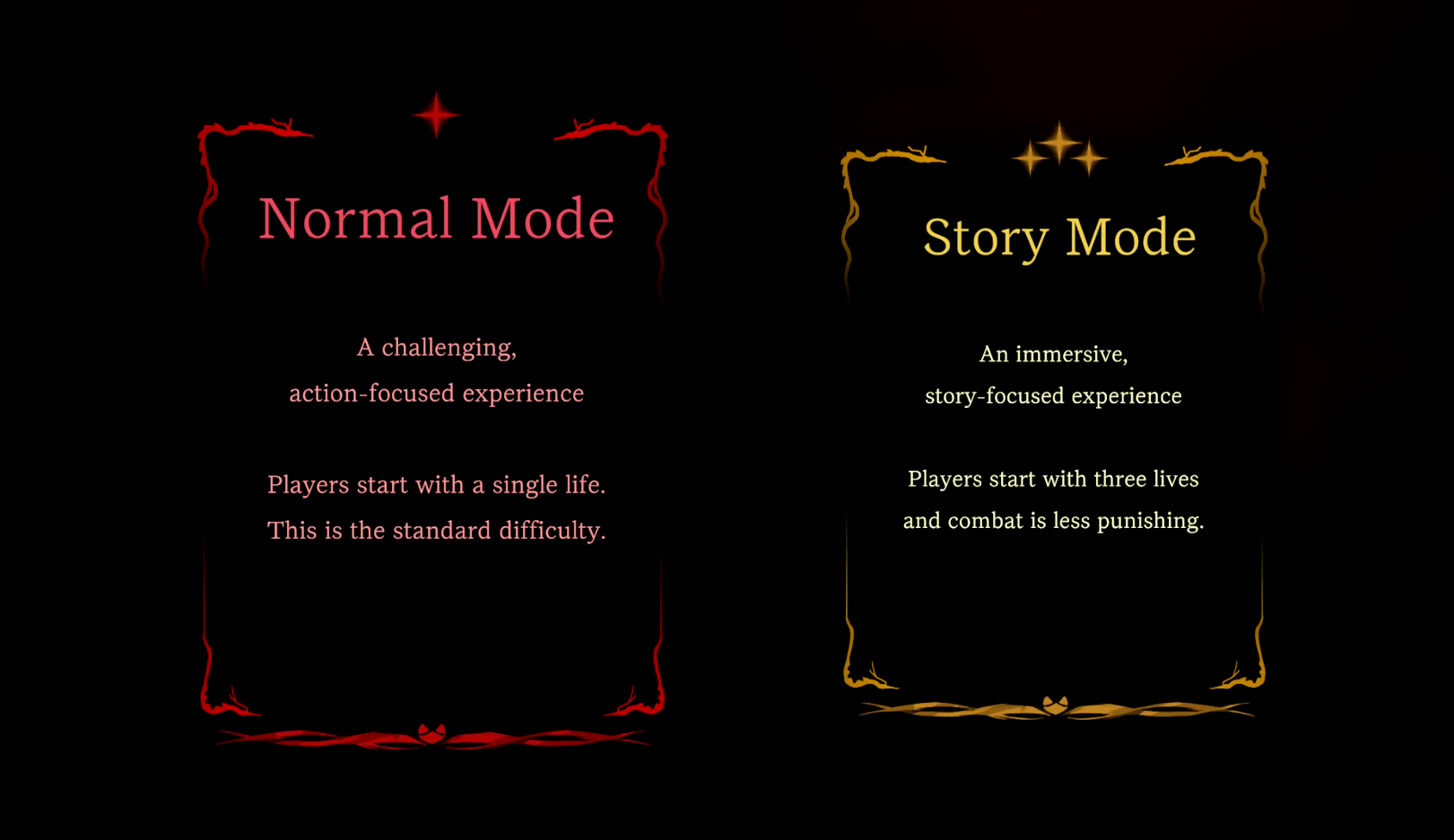
I played the demo mostly on Normal Mode, and that’s clearly where the game shines. Story Mode exists, but Inari’s identity is built around mistakes being unforgivable.
If you remove that tension, you remove the point.
Play on Normal Mode, the way it's meant to be played.
Visual Style and Presentation
Inari uses pixel art environments paired with anime-style illustrated portraits during dialogue.
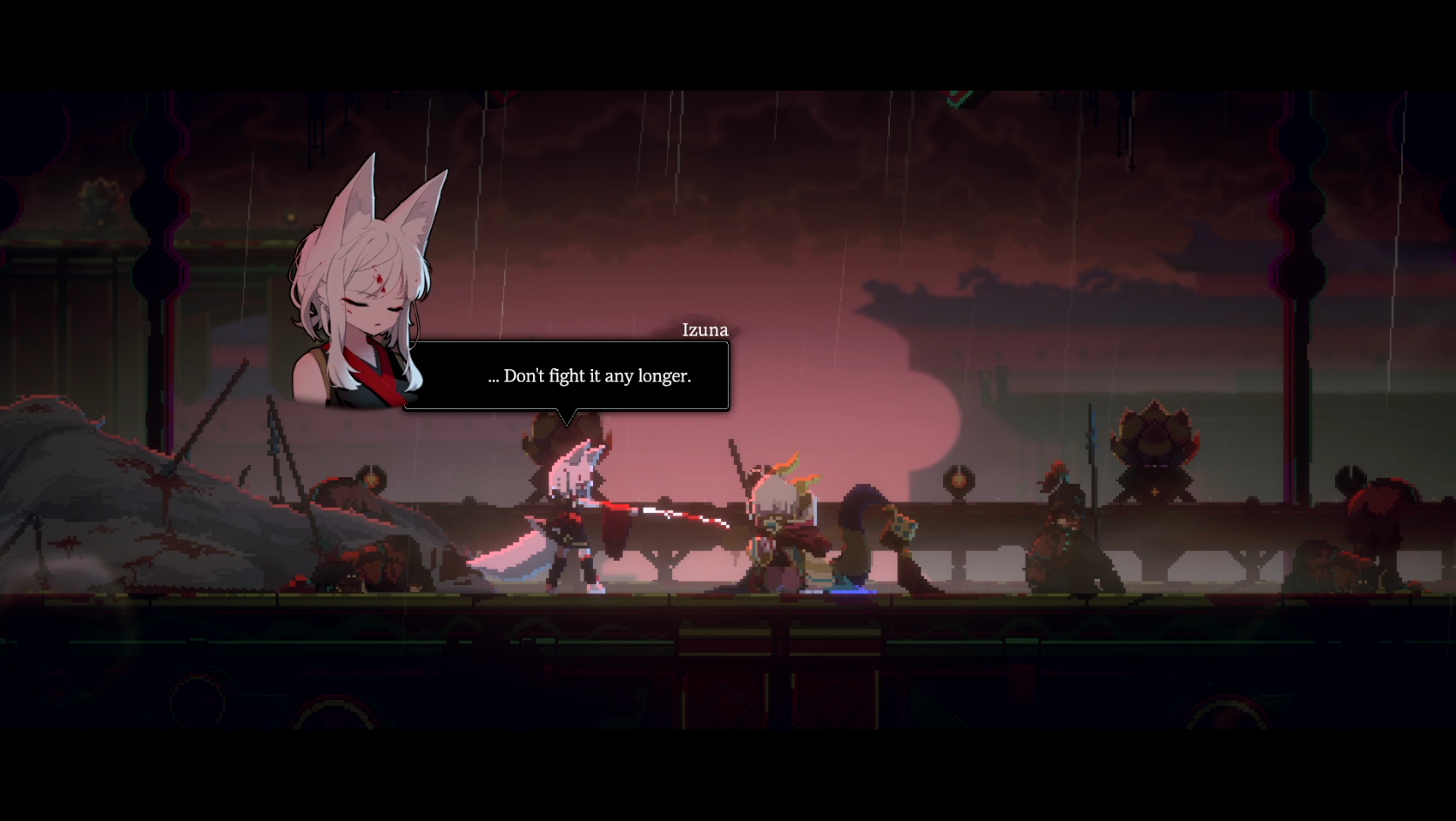
It works surprisingly well.
- Cutscenes are animated pixel art
- Character dialogue appears with anime-style drawings
- The dominant dusky red color palette reinforces the grim, violent tone
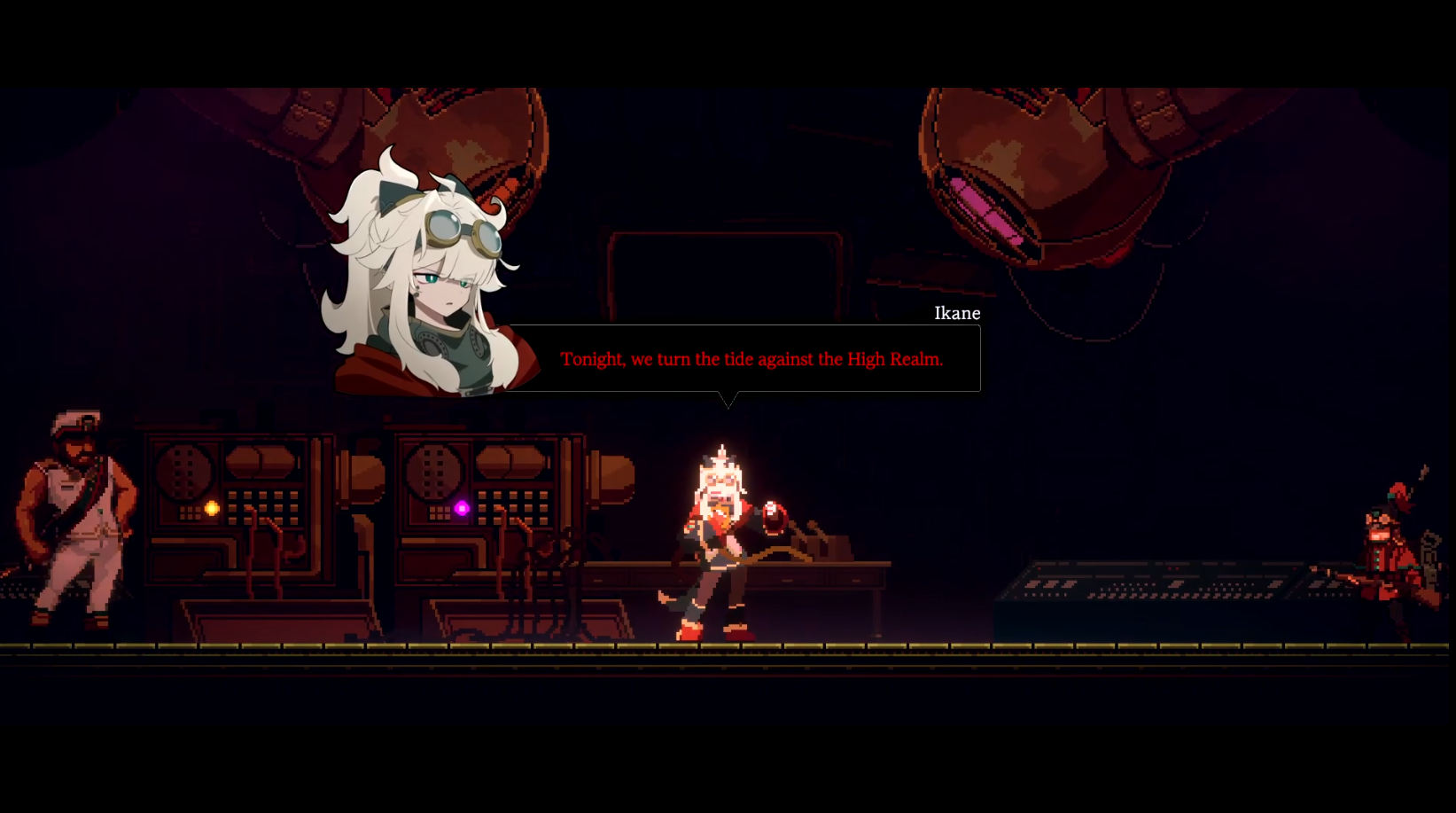
The art direction isn’t flashy. Everything feels deliberate. Nothing exists just to look pretty.
Movement and Traversal
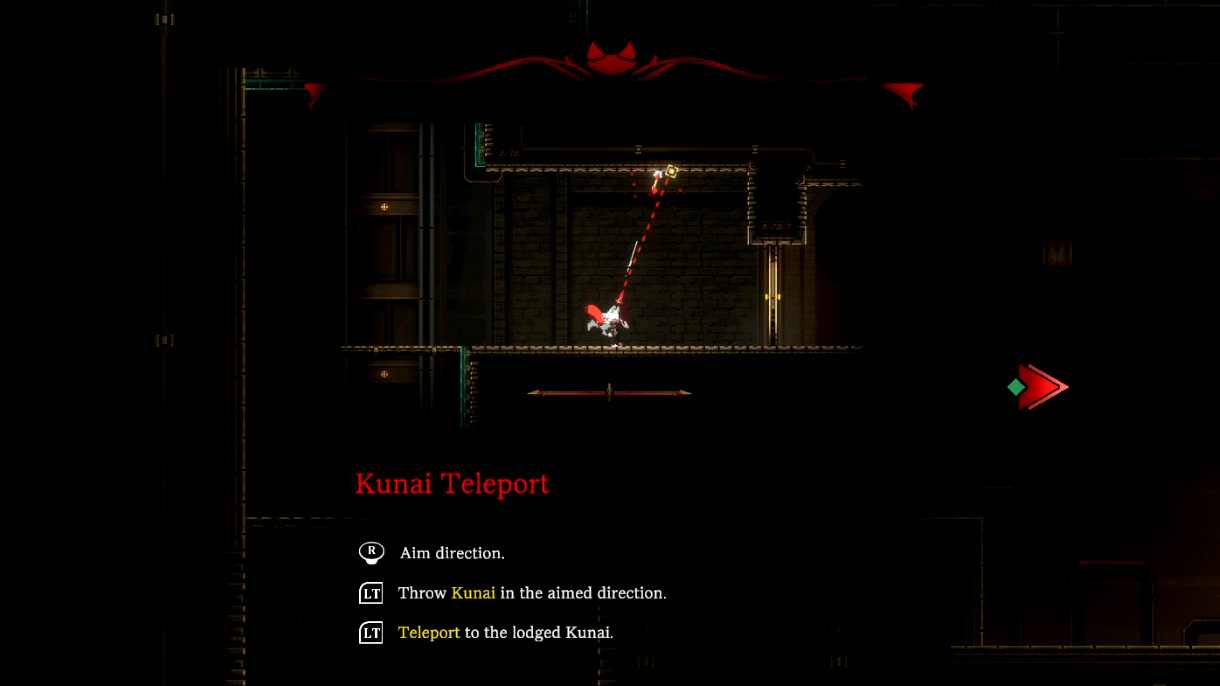
The core mechanic of Inari is the Kunai Teleport.
You learn it early, and the entire game is built around mastering it.
How Kunai Teleport Works
- Aim your kunai using the right controller stick
- Press LT to throw it
- The kunai sticks to walls or surfaces
- Press LT again to instantly teleport to it
What Teleportation Is Used For
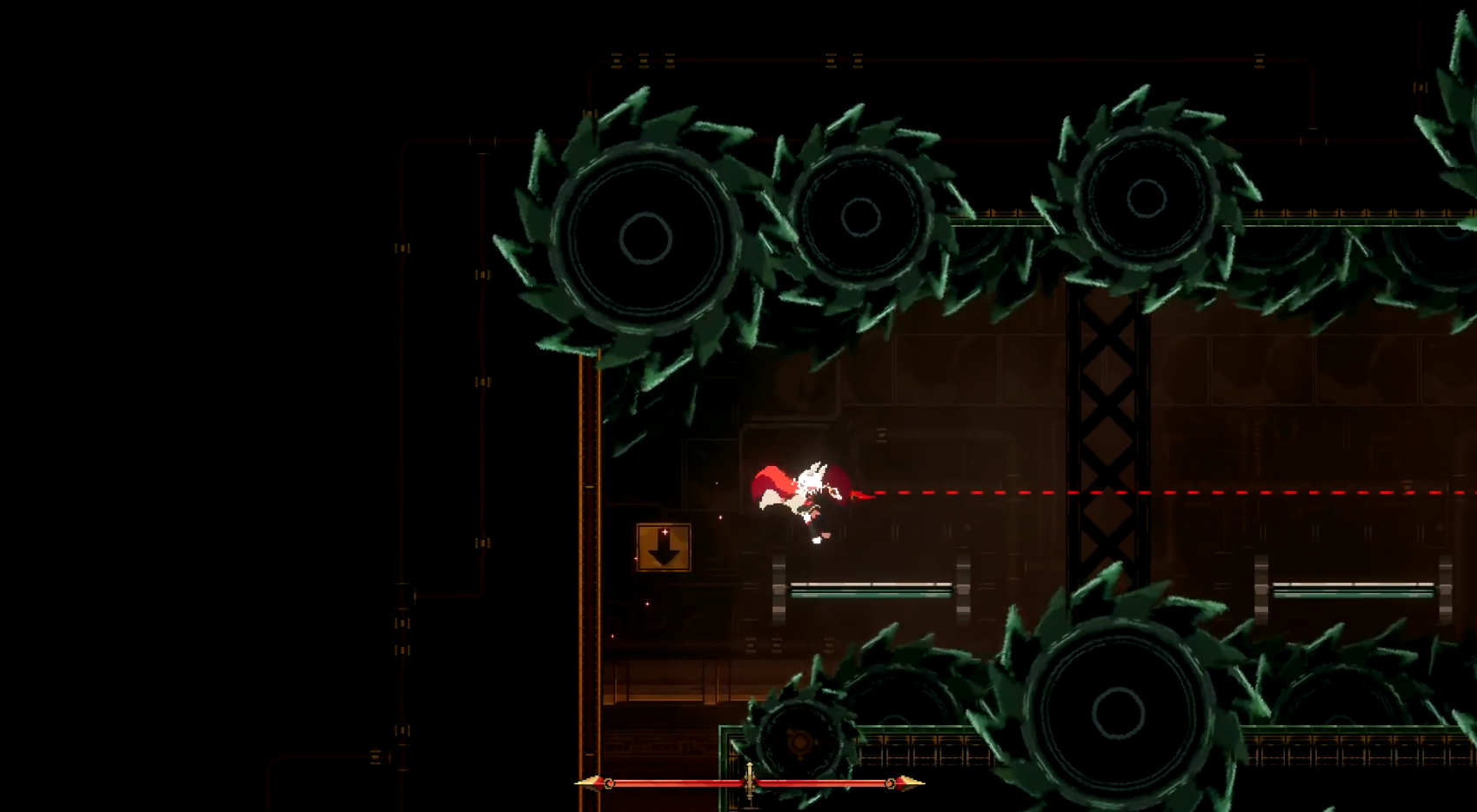
In non-combat situations:
- Navigating vertical and hazardous terrain
- Bypassing environmental traps like spinning saws
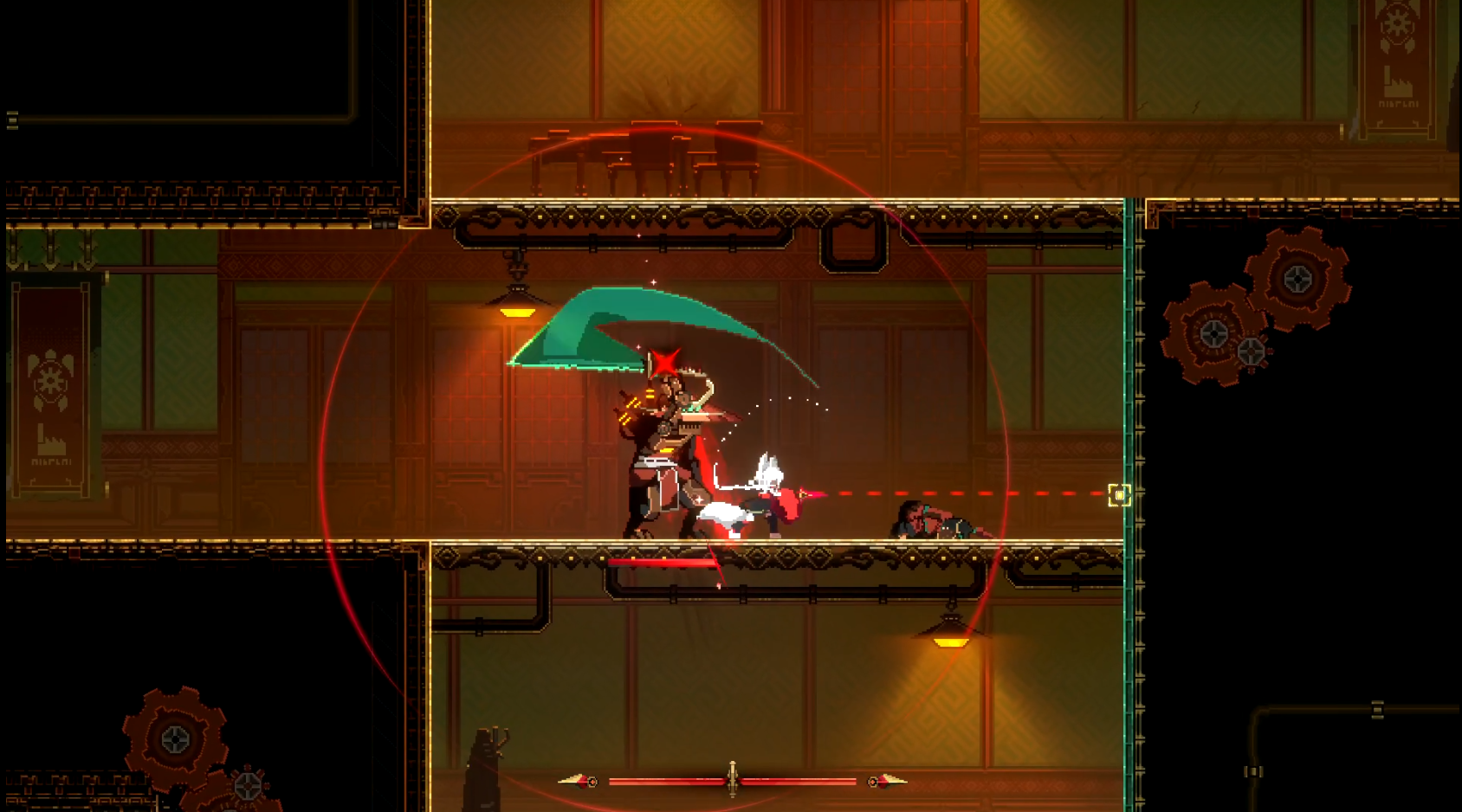
In combat:
- Dodging enemy attacks mid-combat
- Repositioning for stealth kills or ambushes
At first, it feels awkward.
Then it clicks.
Once it clicks, Inari becomes less about reaction speed and more about planning your movement two steps ahead.
Combat System
On paper, Inari’s combat is minimal. You only have:
- Normal attack (X)
- Heavy attack (Y)
That’s it.
But the real difficulty comes from the rules the game enforces. Simple inputs, zero margin for error.
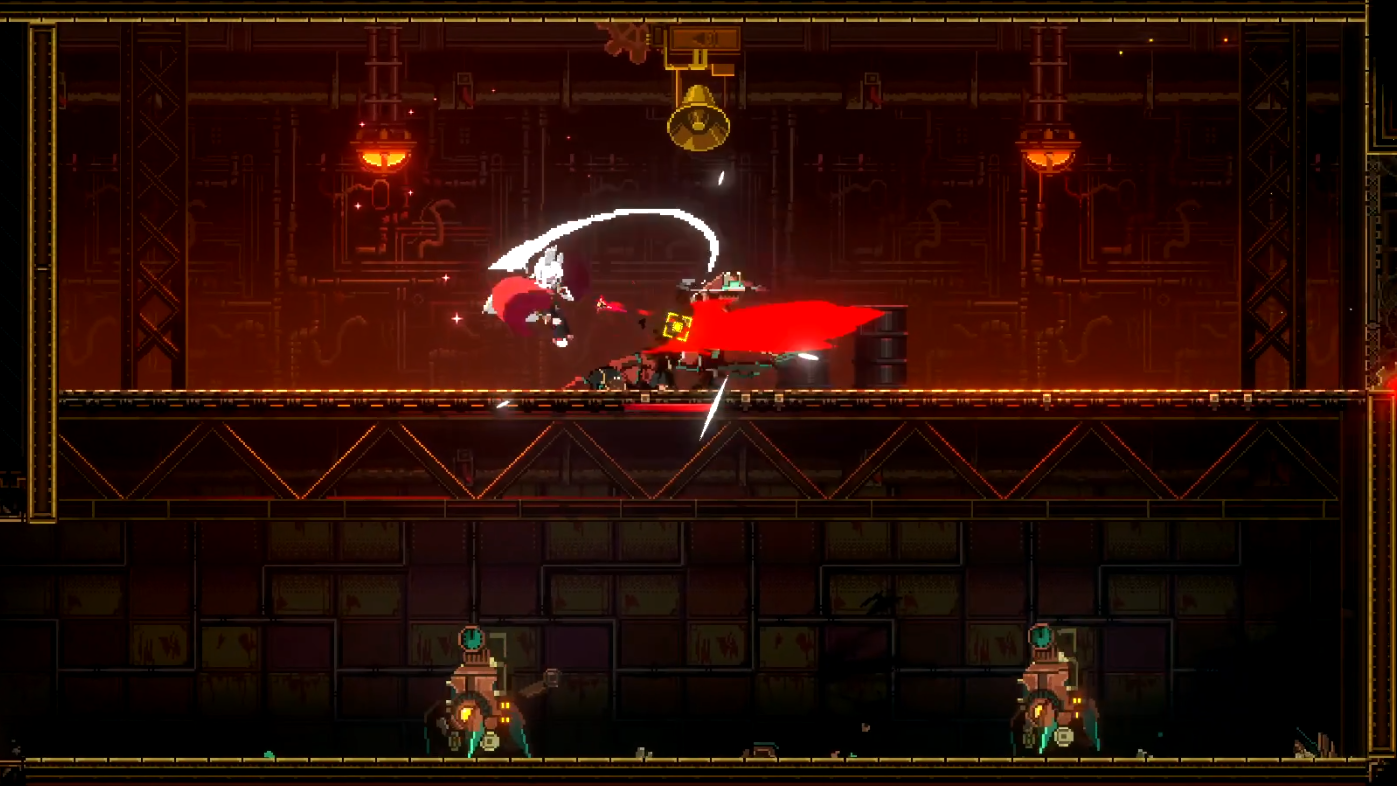
One-Hit Kill Design
- You only have one life (in normal mode)
- Any hit = death
- No health bars
- No recovery window
Combat becomes a positioning puzzle.
You are not trading blows in combat.
You are an assassin, executing enemies with precision.
If you get greedy, you die.
The Real Game Loop: Dying, Learning, Perfecting
You will die. A lot.
I hit 100+ deaths just to finish the demo.
And yet, that’s where the enjoyment comes from.
There’s a visible death counter that keeps climbing, quietly mocking you. But every run teaches you something:
- Enemy timing
- Teleport angles
- When to attack and when to reposition

When you finally clear a section perfectly, it feels incredible.
For a brief moment, you’re surgical. There was no room for error.
Like John Wick, but wearing a yukata and a kunai in hand.
Timed Sections and Bonus Rewards
Some levels introduce timed challenges.
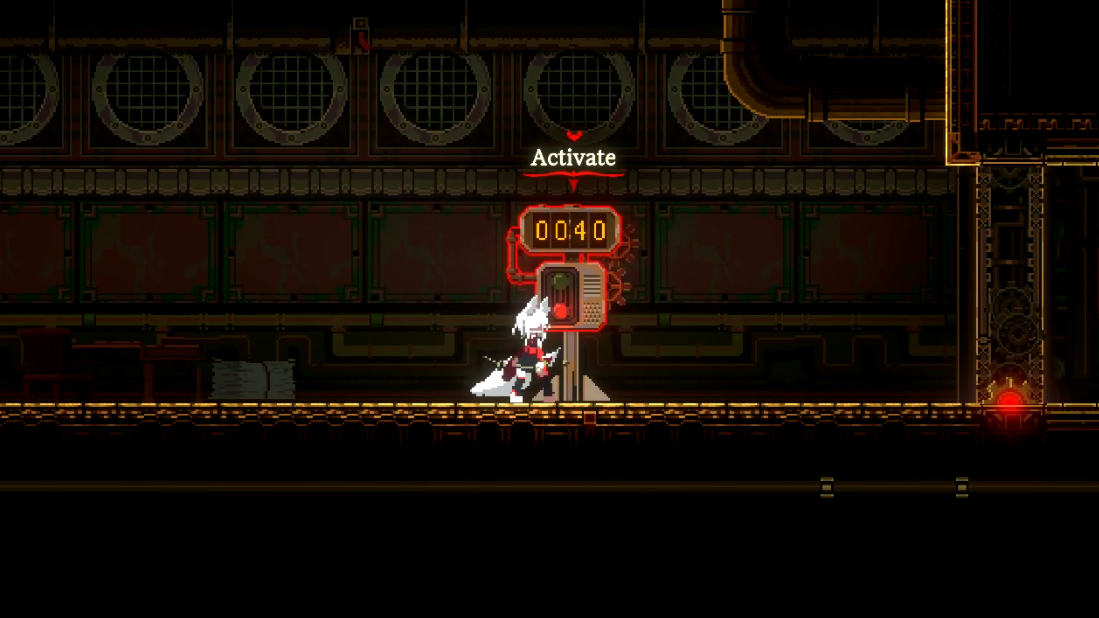
The idea is simple:
- Clear the area
- Kill the intended enemies
- Do it within the time limit
Succeed, and you earn bonus items at the end.
These sections push you to stop hesitating. You’re rewarded for committing fully to the game’s intended flow.
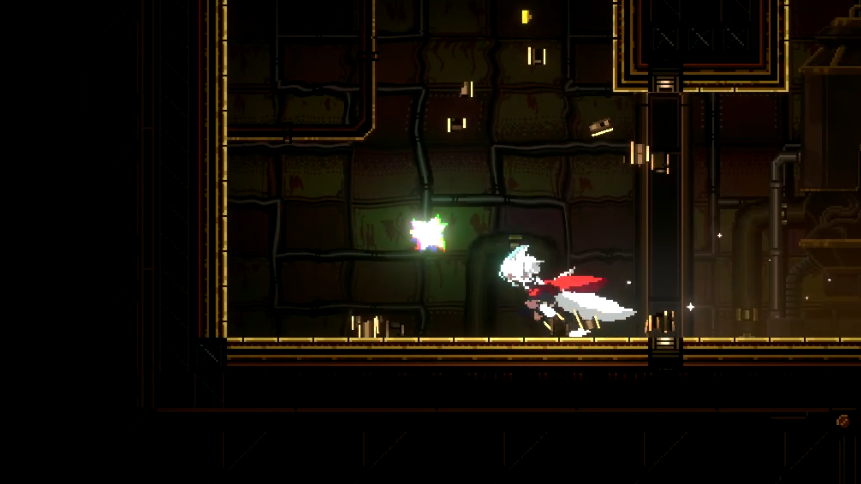
But in the demo, the use of the bonus items has yet to be revealed.
Progression and Upgrades (Or Lack of Them)
In the demo, there are no upgrades.
No skill trees.
No passive buffs.
No unlockable abilities.
The only way the game gets easier is if you get better.
Personally, I’m torn on this.
On one hand, it reinforces Inari’s identity.
On the other hand, a full-length game with zero progression risks becoming exhausting.
I’m hoping the final release introduces:
- New mechanics
- Additional combat options
- Situational upgrades rather than raw power boosts
Without that, long-term variety could suffer.
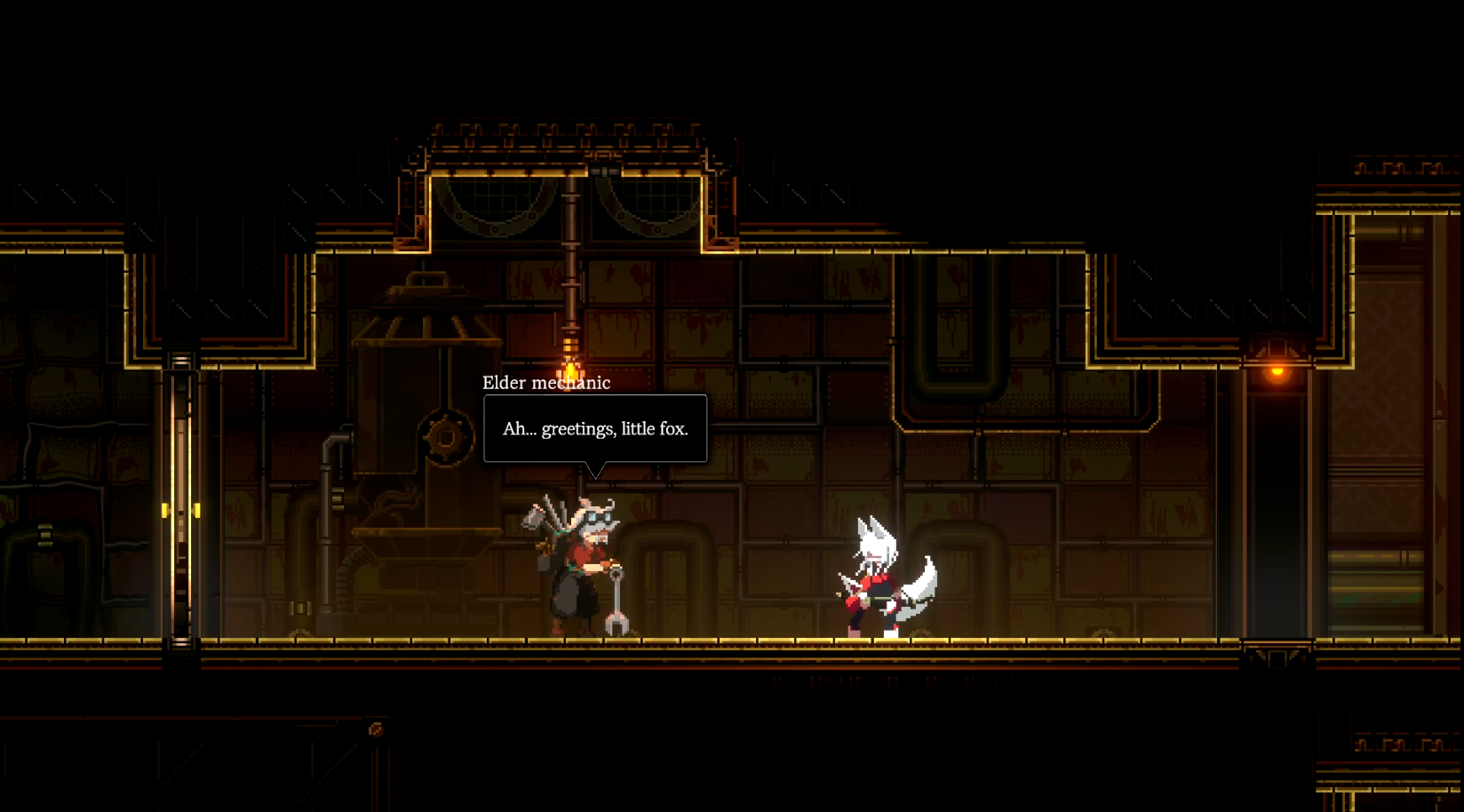
Though in the demo, there were teases of NPC interactions. This could be a teaser for upgrades to the characters through NPCs later in the full game.
Boss Fight Breakdown
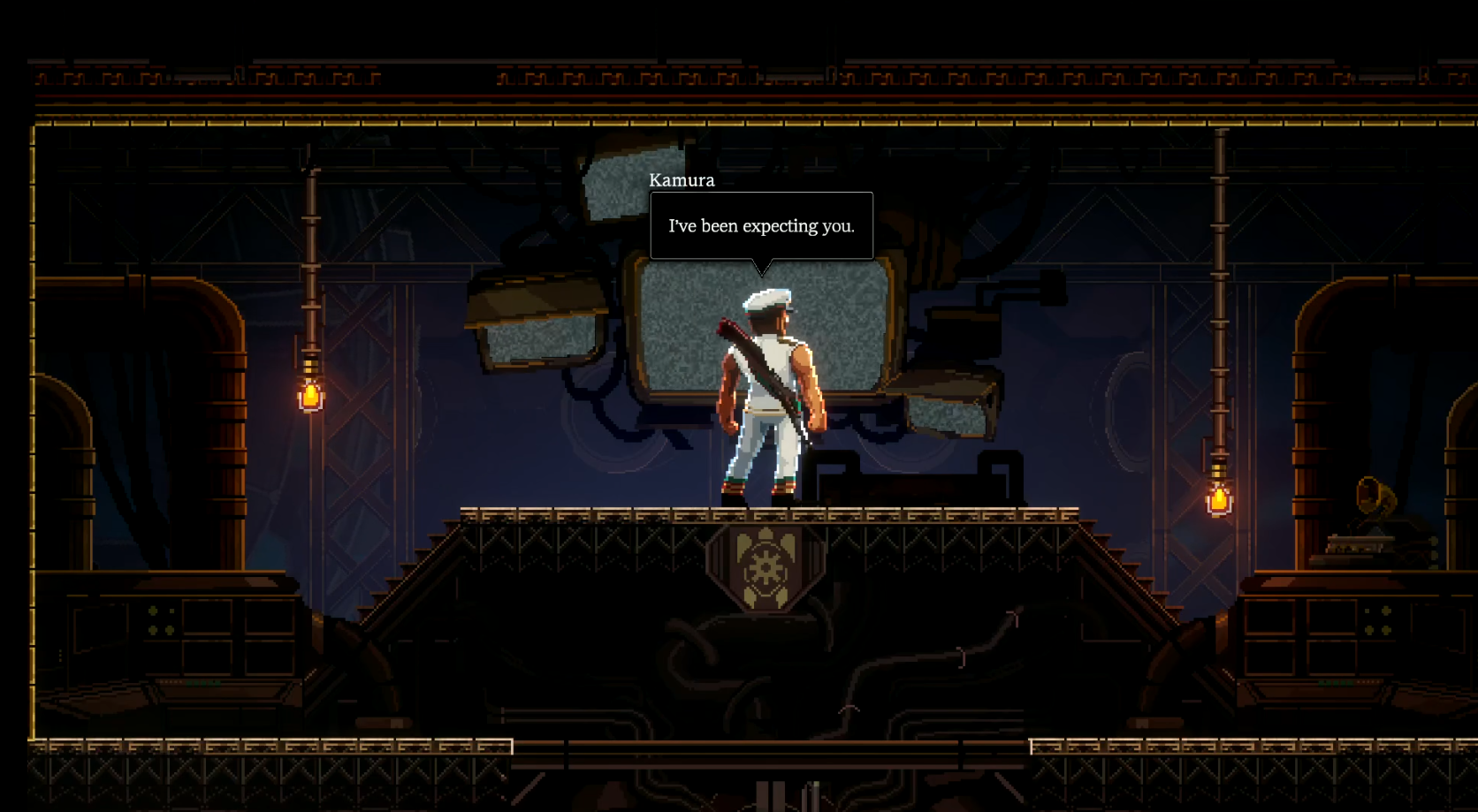
The demo ends with a boss fight against Kamura.
He uses a shotgun, teleports aggressively, and punishes hesitation.
There’s no trick here. You have to:
- Learn his movement patterns
- Understand when he shoots
- Predict teleport timings
- Execute perfectly
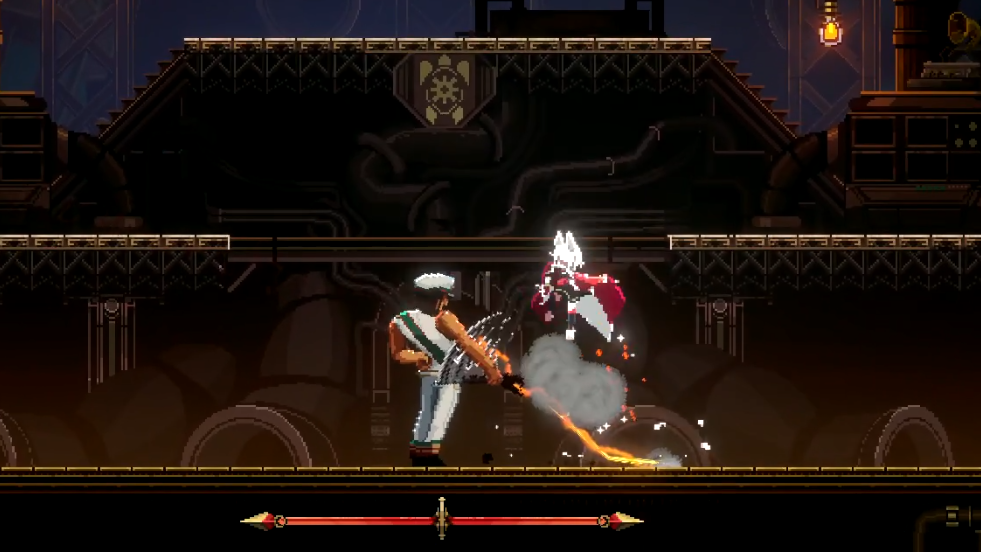
You will die repeatedly.
But when you finally beat him, it feels earned. No cheese. No luck.
Just mastery.
Kickstarter Status
At the time of writing, Inari is on Kickstarter, ending on 13 February 2026.
The game surpassed its initial pledge target of US$10,000 within days of the start of the campaign. Make no mistake, there's already a big initial interest in the game.
If this style of game resonates with you, it’s worth checking out and supporting. Projects like this live or die based on a very specific audience, and Inari knows exactly who it’s for.

Final Verdict
Inari commits fully to its concept, and that’s its greatest strength.
✅ One-life design creates real tension
✅ Teleportation feels great once mastered
✅ Extremely satisfying combat when executed perfectly
❌ Very punishing for casual players
❌ Repetition may wear some players down
❌ No upgrades (in demo)
It won’t be for everyone.
But for the right player, it delivers something rare: pure, uncompromising design.
If the full game expands on its mechanics without dulling its edge, Inari could easily become a standout indie title in the hardcore platformer space.
Other great upcoming platformer games:
 Annaz
Annaz
 Annaz
Annaz



Comments ()