
Spider Tanks: Core of Chaos, Is this PvP Brawler Worth Playing?
Introduction
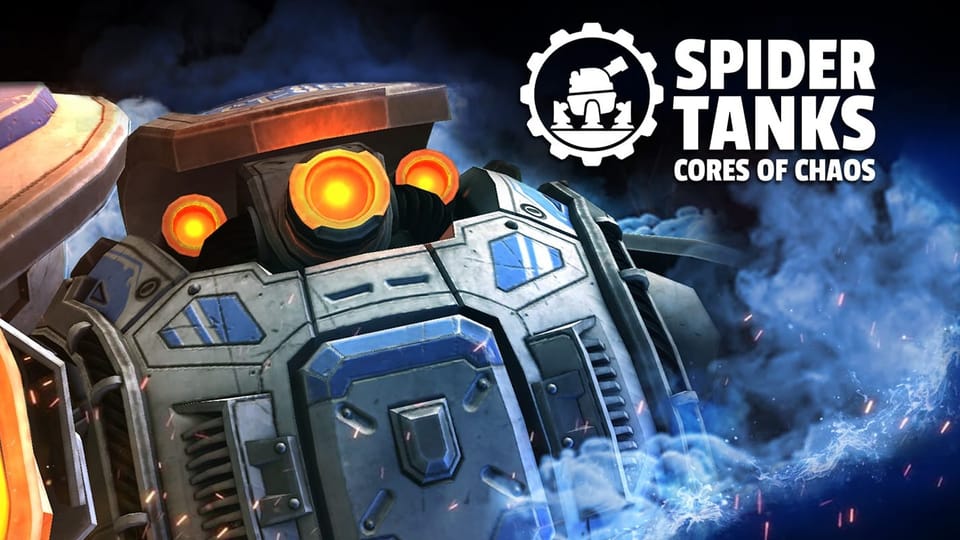
Spider Tanks is a name that refuses to stay buried.
After being taken down from Gala Games, the title has resurfaced under a new banner on Immutable.
The developers' GAMEDIA have rebranded it as Spider Tanks: Core of Chaos.
Naturally, that raises questions.
Is this just a relaunch with a new logo, or does it actually justify your time in a crowded multiplayer market?
I spent time jumping back into Spider Tanks across its available modes, testing builds, queue times, and overall flow. Here’s the honest breakdown of what works, what doesn’t, and who this game is really for.
What Is Spider Tanks: Core of Chaos?
Spider Tanks: Core of Chaos is a multiplayer 3v3 PvP brawler where players customize mechanical spider tanks using modular parts, then jump into fast-paced arena combat.
The core loop is simple:
- Build your tank in the garage using different weapons, movement parts, and utilities
- Queue into a match with teammates or random players
- Outmaneuver, outshoot, and outplay the opposing team
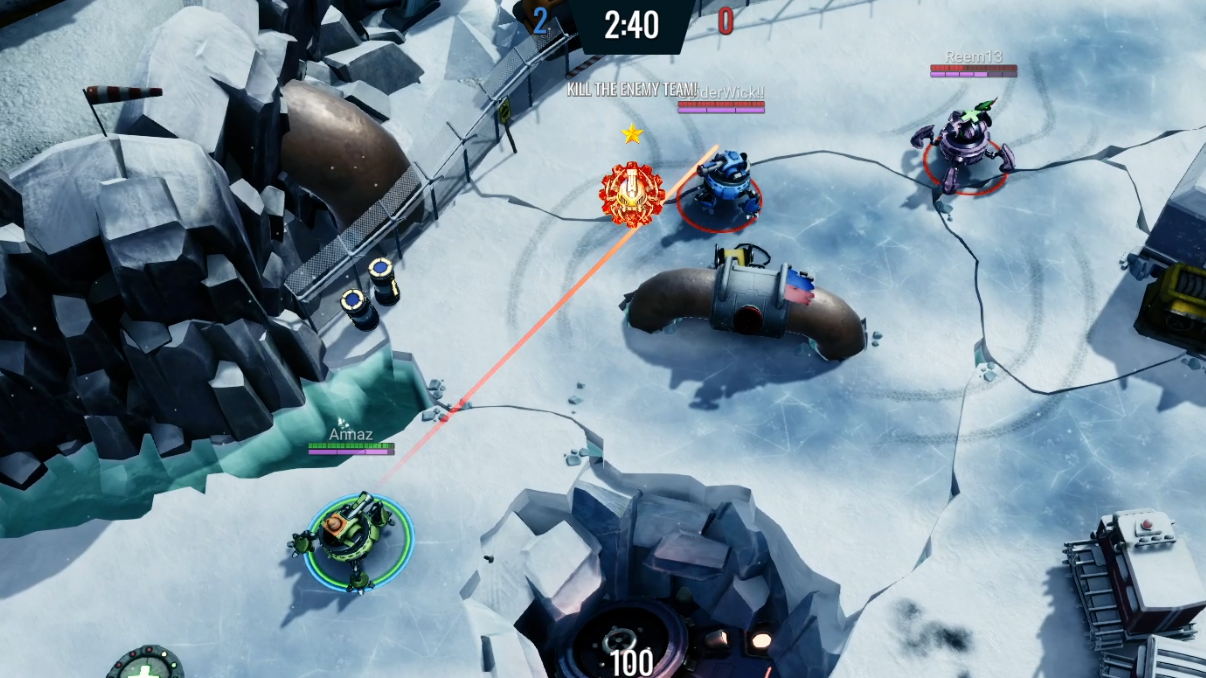
Matches are short, chaotic, and designed to reward positioning and movement more than raw mechanical aim.
From a genre perspective, this sits somewhere between:
- Arena shooters
- Hero brawlers
- Physics-heavy PvP games
It’s not trying to be deep in the MOBA sense. Instead, Spider Tanks leans into accessibility and moment-to-moment action.
Platforms and Controls: PC vs Mobile Experience
Spider Tanks is available on:
- PC via the Epic Games Store
- Mobile on iOS and Android
After testing both, I’ll be blunt: this is a PC-first game pretending to be cross-platform.
Why PC Feels Better
- Mouse and keyboard offer significantly better aiming precision
- Movement-based combat feels more responsive
- Managing cooldowns and positioning is easier on a larger screen
On mobile, controls work, but they feel compromised especially in higher-pressure situations where predicting enemy movement matters.
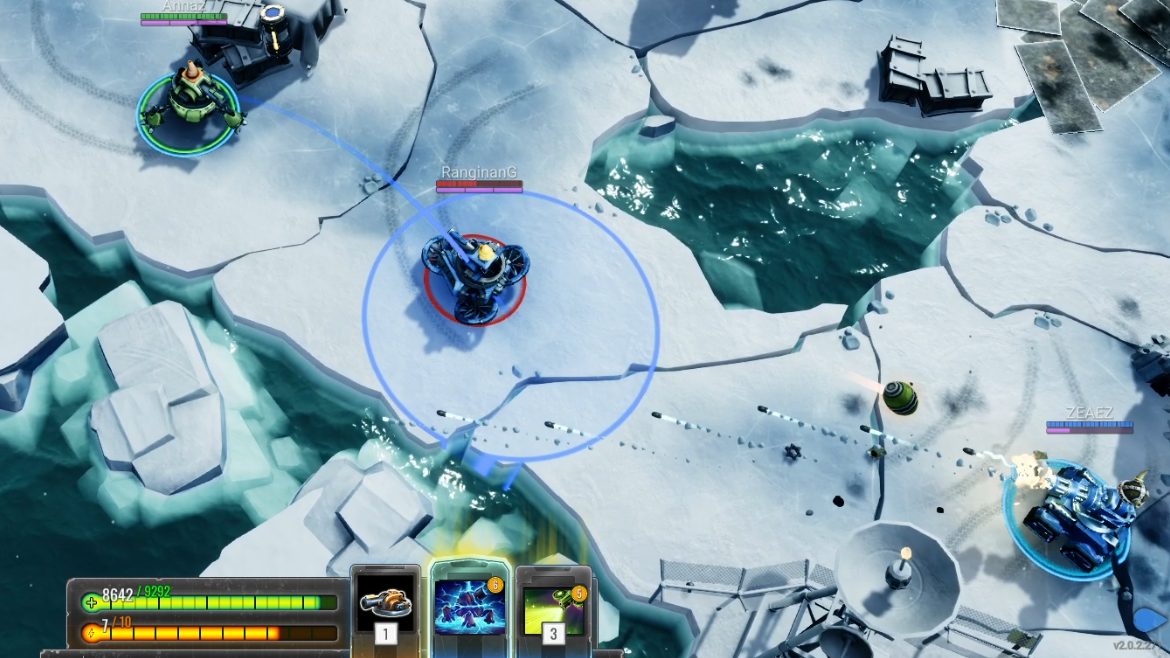
Recommendation: If you have the option, play on PC. Mobile feels more like a casual extension than the intended way to experience the game.
Core Gameplay: Movement Over Raw Aim
If you’re expecting a traditional shooter, you’ll need to recalibrate.
In Spider Tanks, movement and prediction matter more than twitch reflexes.
What Actually Wins Matches:
- Strafing and momentum control
- Predicting enemy movement paths
- Controlling space with weapon arcs
- Knowing when to disengage
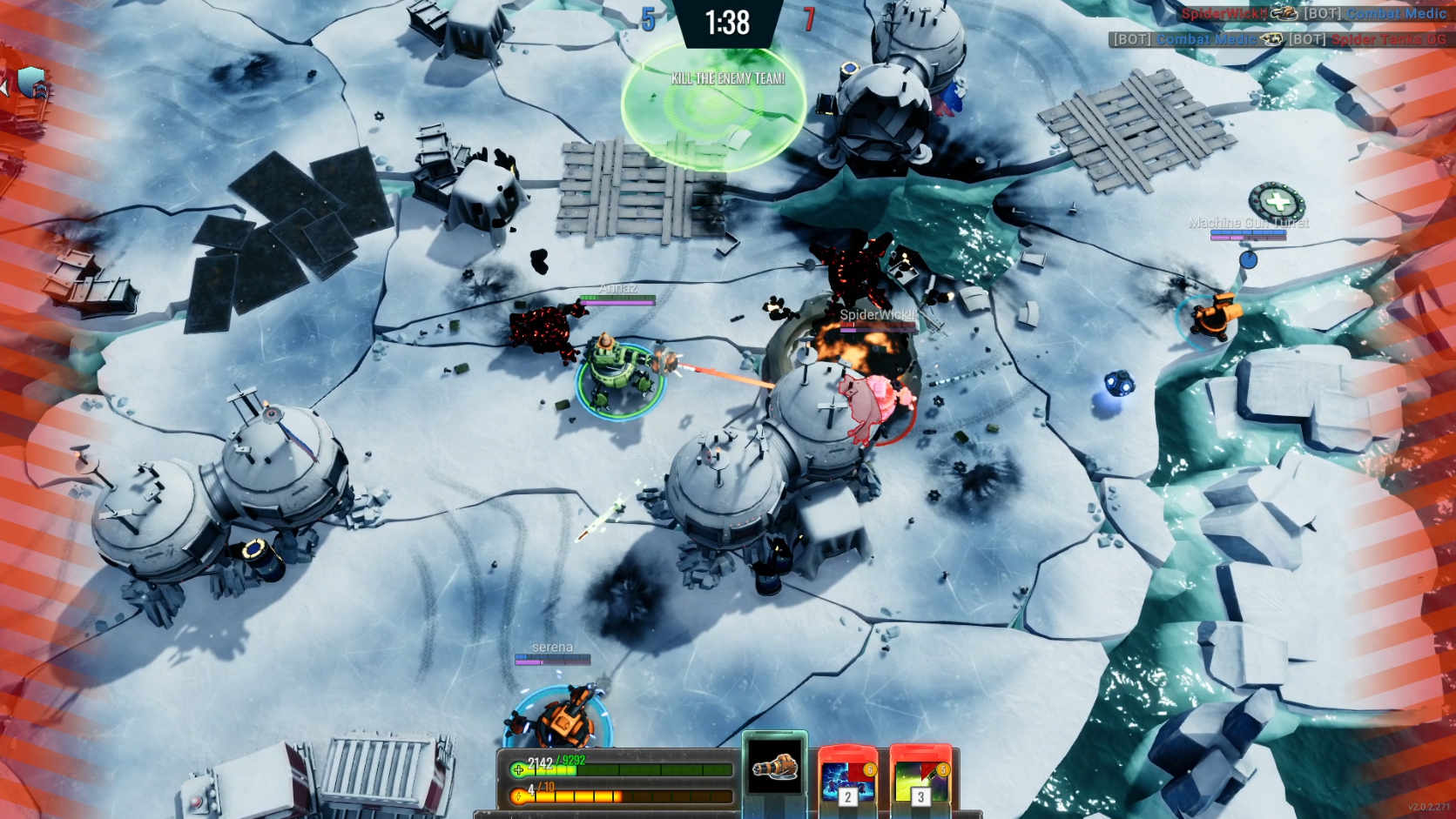
A lot of weapons have travel time or area denial effects, meaning success comes from anticipating where enemies will be, not where they are.
This gives Spider Tanks a distinct rhythm. When it clicks, it feels satisfying.
Tank Customization and Progression
Customization is where Spider Tanks tries to create long-term engagement.
Parts and Builds
You start with:
- A basic Cannon
- A simple Muzzle part
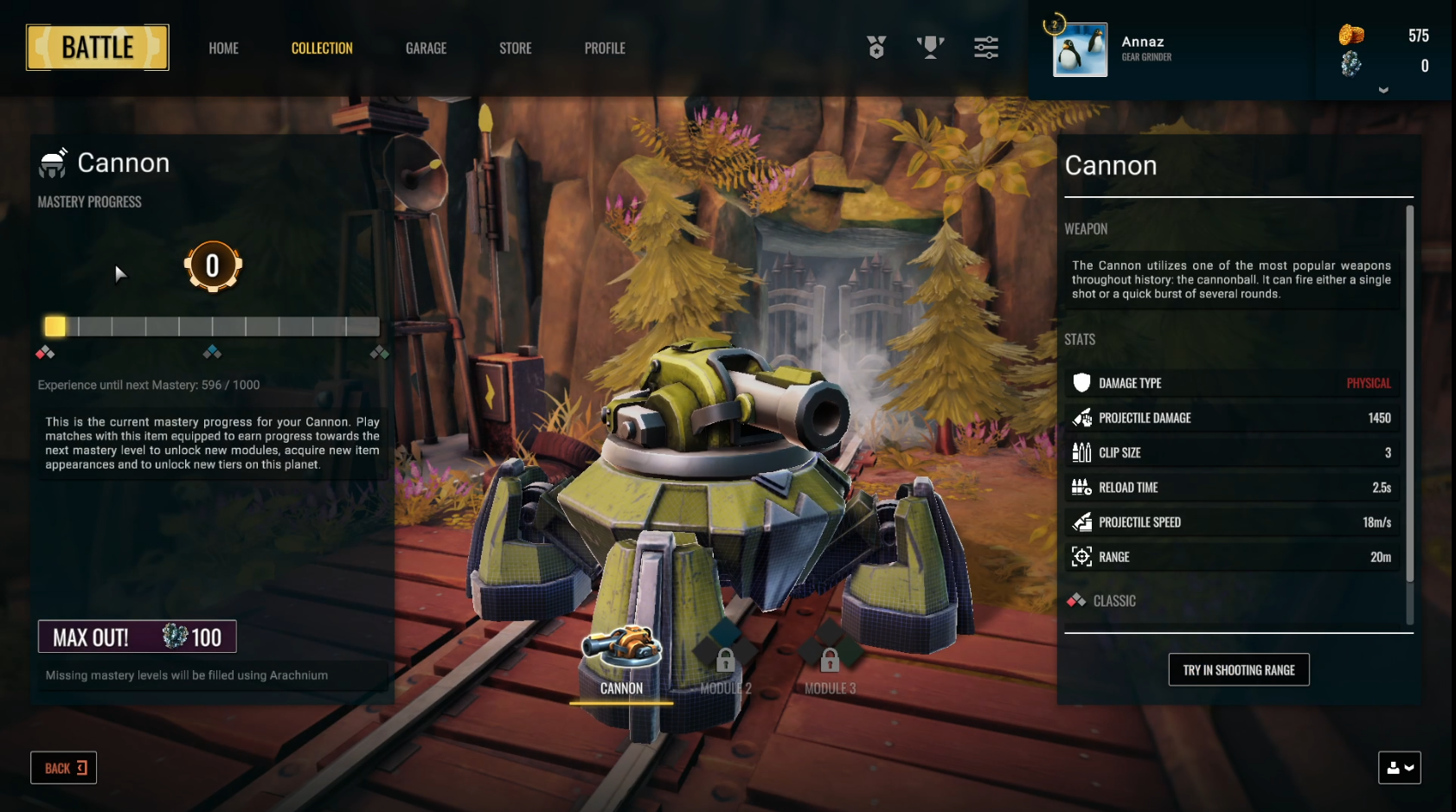
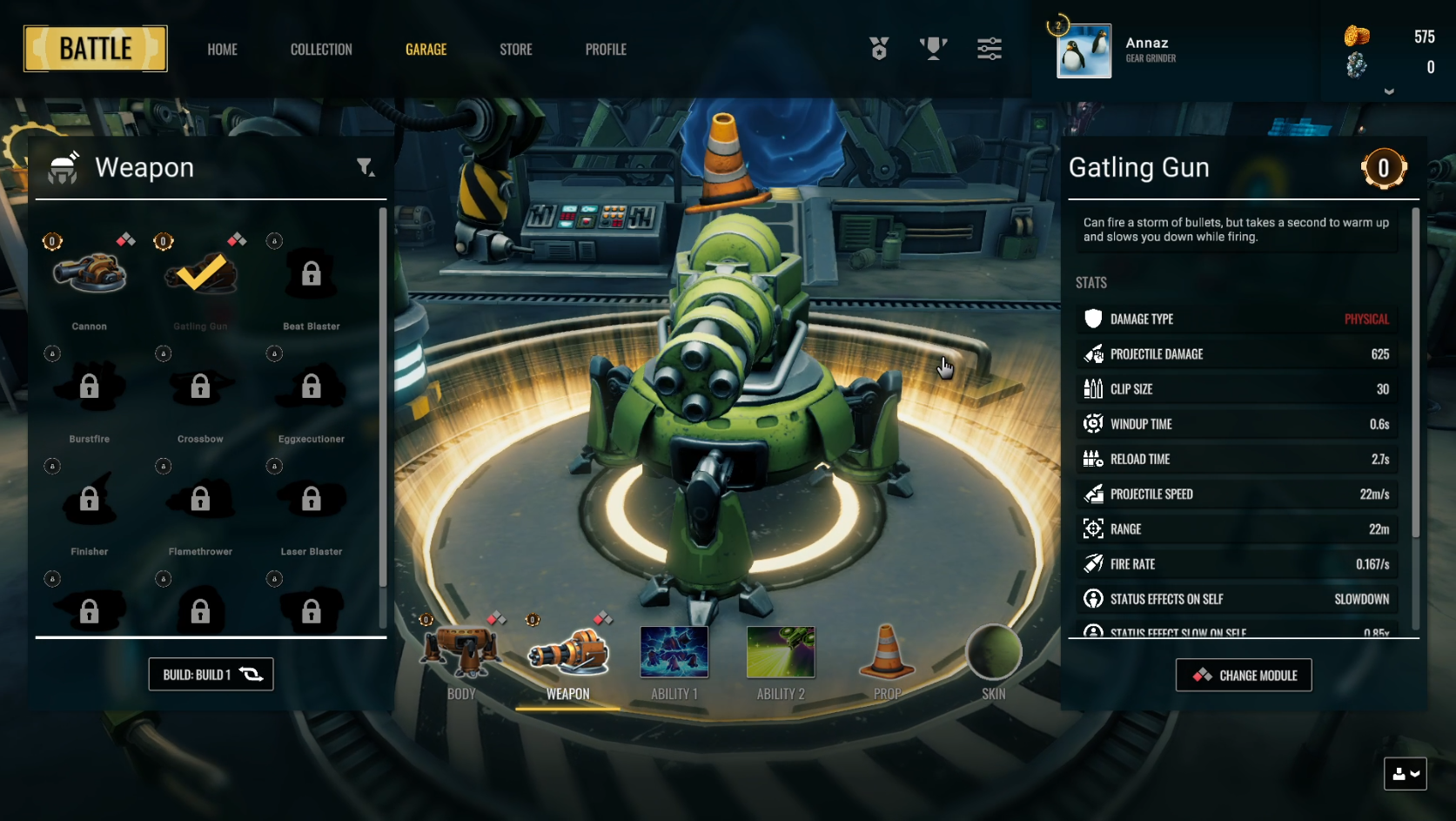
From there, progression unlocks:
- New weapons
- Utility parts
- Visual skins
Different parts dramatically change how your tank behaves, encouraging experimentation rather than strict meta chasing.
Warchests, Missions, and Grinding
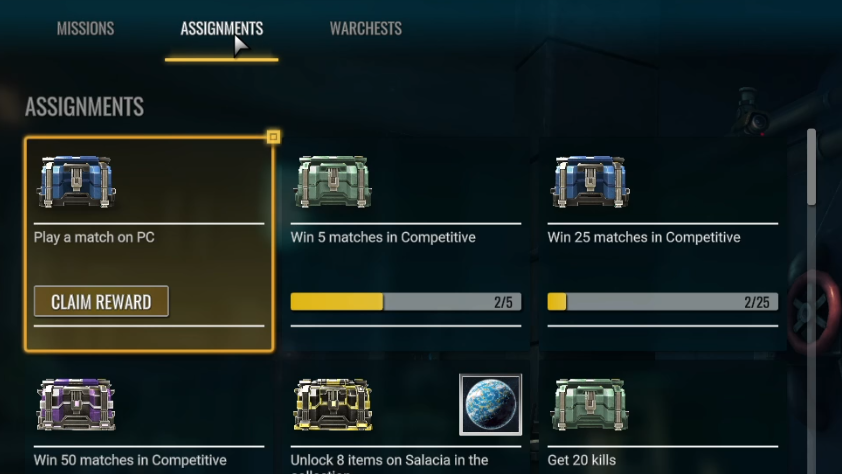
Progression is driven by obtaining Warchests through:
- Daily & Weekly Missions
- Assignments (Achievements)
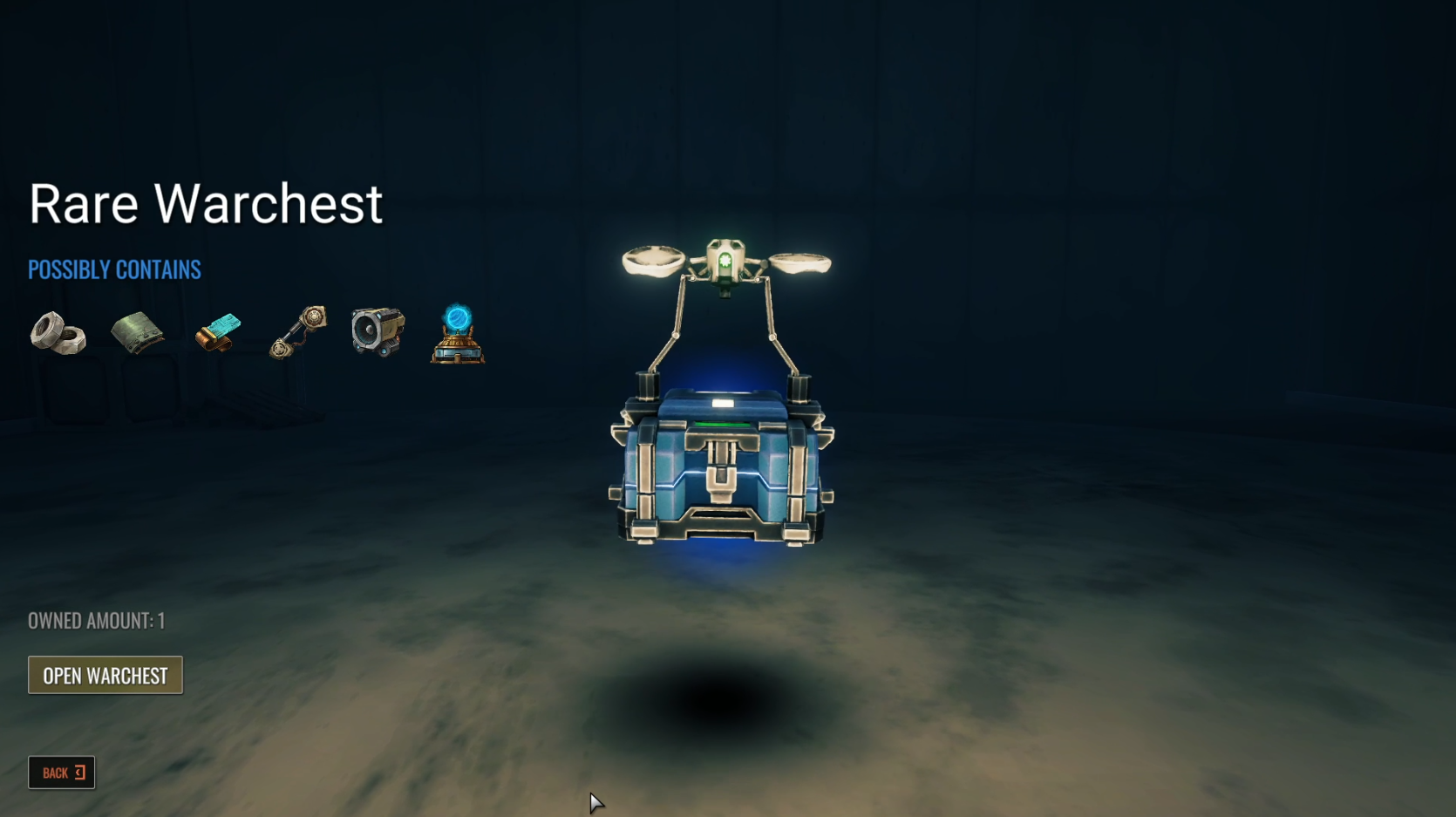
Opening Warchests grants resources used to:
- Upgrade existing parts
- Craft or unlock new components
- Customize cosmetic elements
This system is functional but not groundbreaking. It rewards consistency rather than skill expression, which may or may not appeal depending on what you’re looking for.
Game Modes: Is Too Much a Good Thing?
For such a mechanically simple game, Spider Tanks offers a surprising number of modes:
- Competitive
- Casual
- Survival
- Practice
- Exhibition
- Tournaments (Beta)
On paper, variety is great. In practice, this is one of the game’s biggest structural issues.
The Player base Problem
By splitting players across multiple queues, matchmaking, especially in Competitive mode suffers badly.
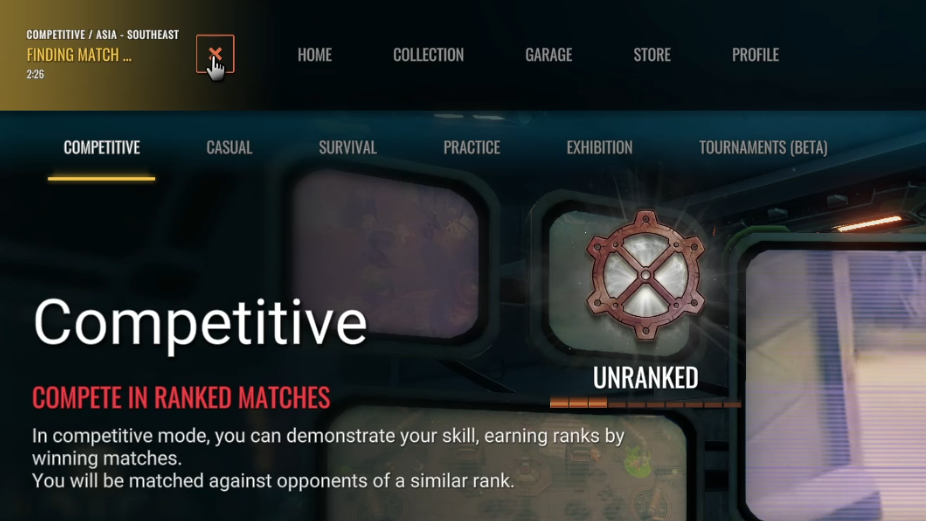
Even though the game has been live for over a month, competitive queues often feel underpopulated. Casual modes pop faster, but that creates a feedback loop:
- Players avoid Competitive due to long queues
- More players stay in Casual
- Competitive becomes even harder to sustain
For a PvP-focused title, this is dangerous. Spider Tanks would benefit from fewer modes with healthier queues rather than spreading players thin.
Without a strong competitive ecosystem, rank incentives, visible progression, or meaningful stakes, it’s hard to convince players to stick around.
This is where I started questioning the game’s direction.
A Single-Player Alternative?
At times, Spider Tanks feels like a game that might have worked better as a single-player or co-op experience.
The movement mechanics, tank builds, and chaotic encounters could shine in:
- A story-driven campaign
- PvE challenge modes
- Boss-focused encounters
Instead, everything is forced through a PvP funnel that the current playerbase may not fully support.
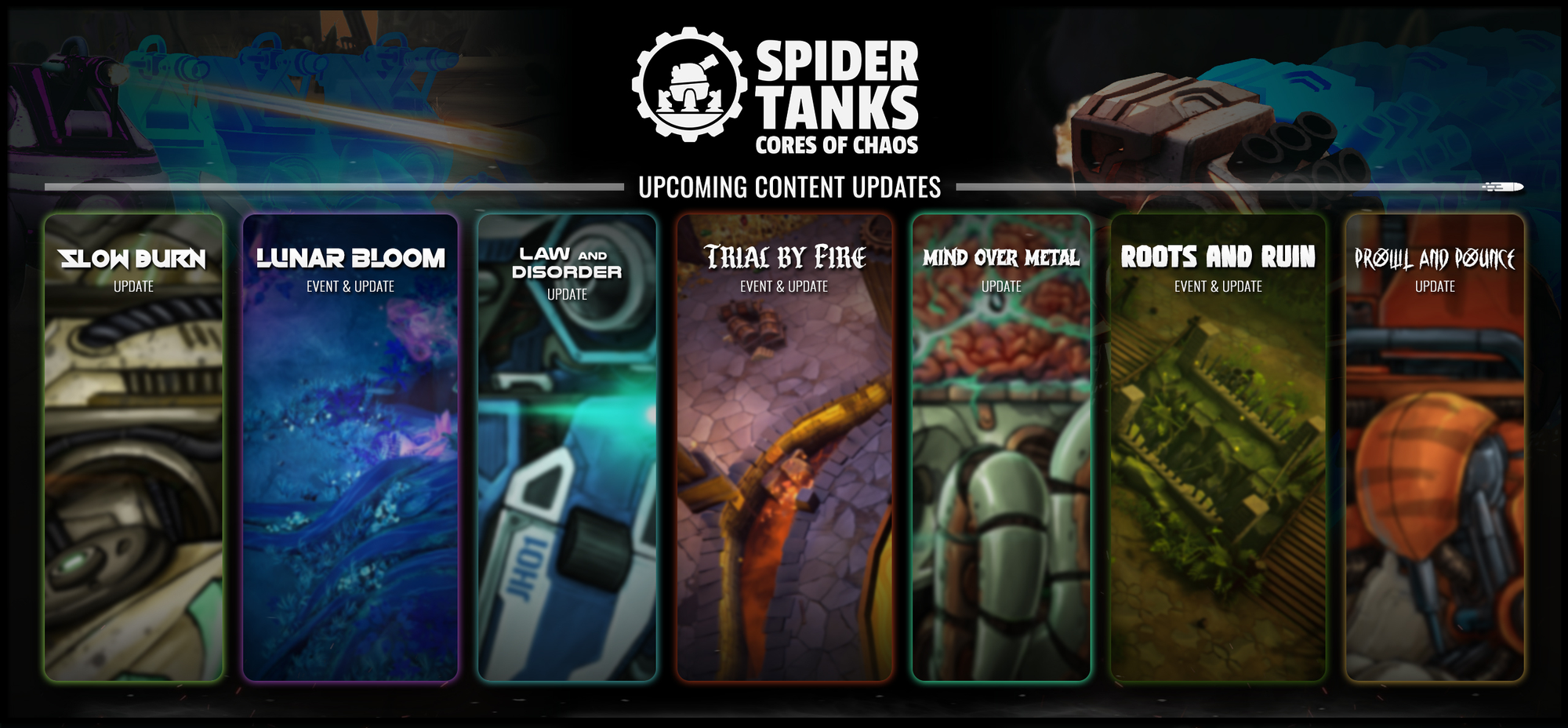
The game has planned upcoming content updates. I'm hoping this can attract new players. But we don't have clear information on what the new updates are all about yet.
Final Verdict: Is Spider Tanks: Core of Chaos Worth Playing?
Spider Tanks: Core of Chaos is a competent arena brawler with flashes of smart design, held back by fragmented matchmaking and an unclear long-term vision.
Here’s the honest answer.
I’d only recommend Spider Tanks: Core of Chaos if you already enjoy 3v3 PvP brawlers and value quick, chaotic matches over deep progression systems.
✅ Fast 3v3 gameplay emphasized on strategic movement & prediction
❌ Over-segmented game modes
❌ Weak competitive population
❌ Mobile controls feel secondary
The game isn’t bad. It just feels directionally uncertain.
If Spider Tanks ever consolidates its modes or expands beyond PvP, it could evolve into something more compelling. For now, it’s a niche experience for a specific audience.
Similar games on Immutable:
 Annaz
Annaz

Comments ()