
Steam Next Fest: Hard Lessons Every Dev Needs to Hear
With 3,000 games competing for attention at Steam Next Fest in February 2026, standing out has become harder than ever. I went through the event watching which demos got played, which got ignored, and which converted browsers into wishlisters. The patterns were painfully obvious.
If you're building toward a future Next Fest or just shipping a demo on Steam, here's what actually moves the needle.
- 1. Your Front Page Artwork Is Your Only Sales Pitch
- 2. The Steam Library Art Problem Nobody Talks About
- 3. Controller Support Isn't Optional Anymore
- 4. Local Co-op Trend vs. What Demo Players Actually Need
- 5. Performance Optimization Is the Demo
- Final Verdict: What Separates Wishlists from Deletions
1. Your Front Page Artwork Is Your Only Sales Pitch
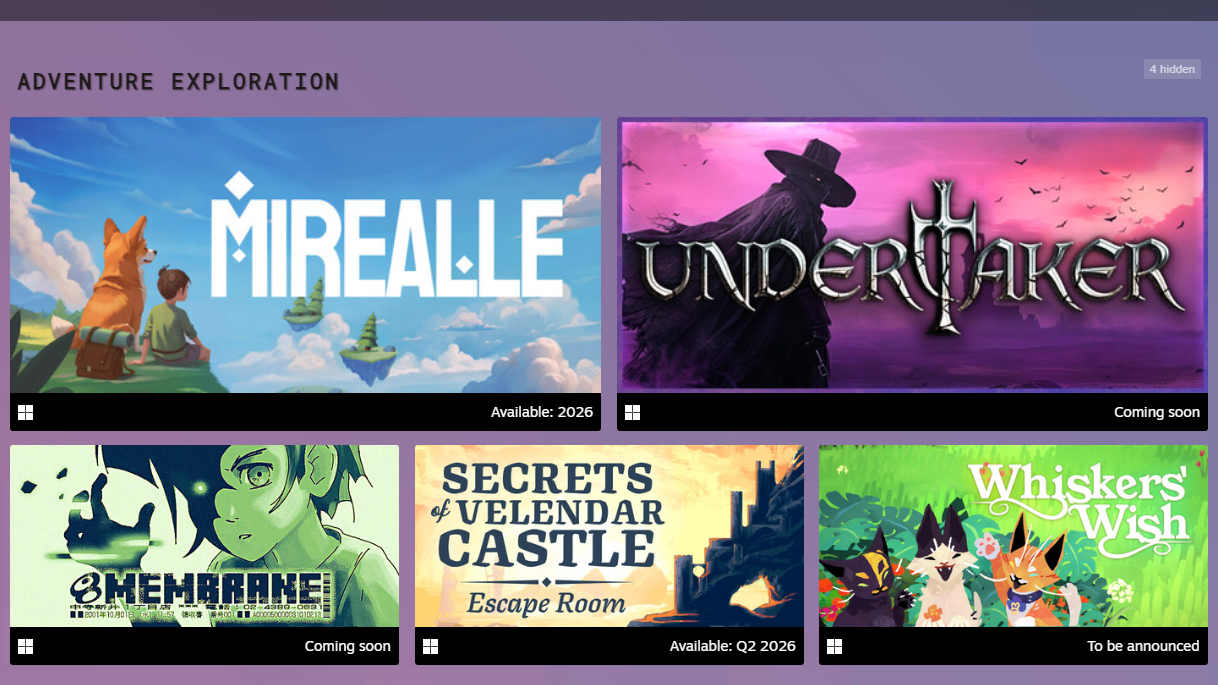
Steam Next Fest in February 2026 had over 3,000 games. Let that number sink in. Nobody is reading your description first. Nobody is watching your trailer first. They're looking at a grid of capsule images, and you have roughly one second of scroll time to earn a click.
High-quality front page artwork isn't a polished item you handle at the end. It's THE conversion tool. It communicates genre, tone, and identity before a single word is read.
The games I kept coming back to during this fest had capsule art that felt intentional: clear focal point, readable at thumbnail size, distinct color palette, related to the game's art style. The ones that blurred into the background? Most of them were fine games buried under generic art.
Hire an illustrator if you need to, or use Generative AI to come up with inspiration. It's one of the most cost-effective investments you can make before an event like this.
2. The Steam Library Art Problem Nobody Talks About
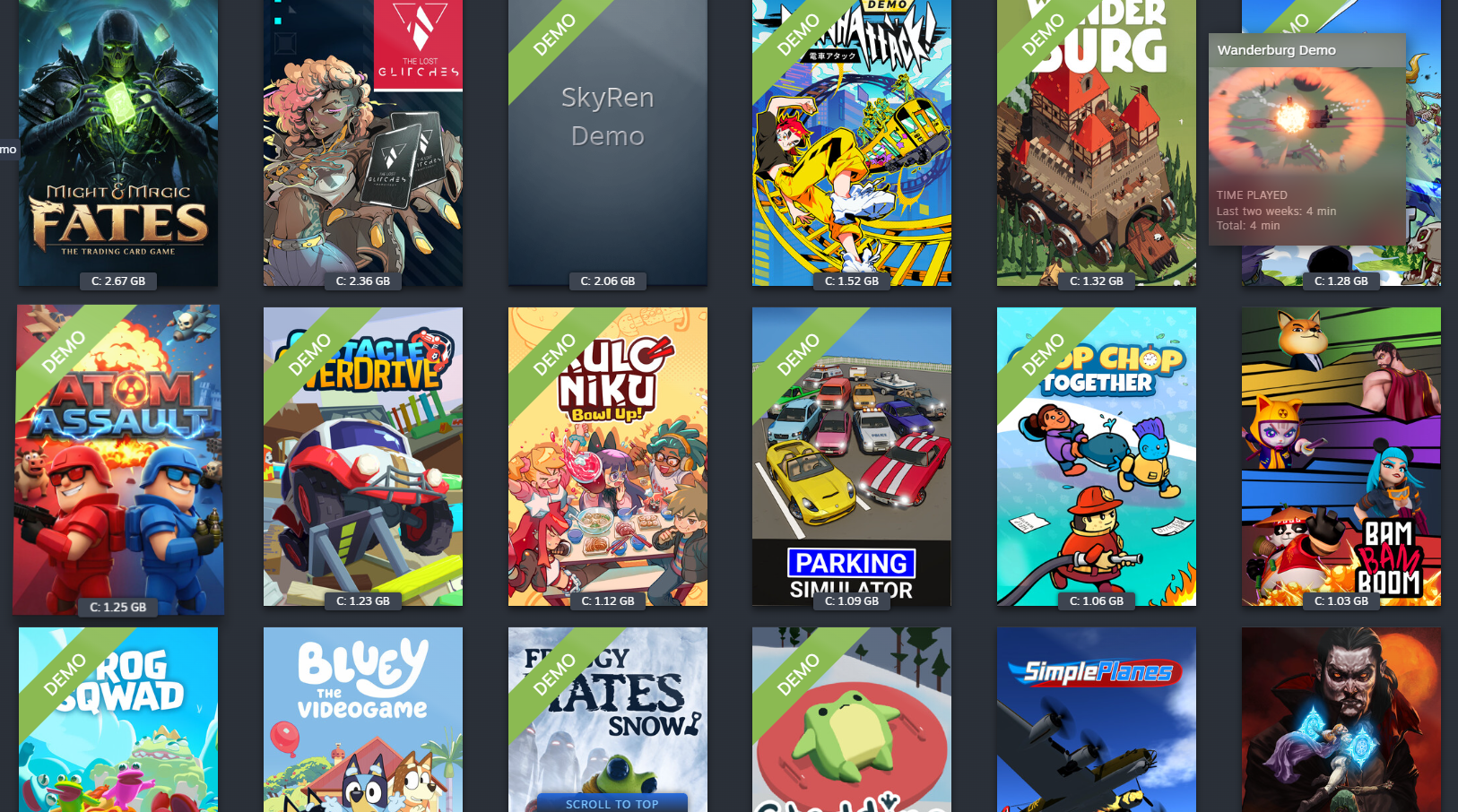
Here's something that doesn't get enough attention: during Next Fest, a dedicated player might download 10, 20, or even 30 demos. Their Steam Library becomes a wall of new entries. Which ones get launched first?
The ones with polished library artwork, the banner image that shows inside a player's library view. It's a small canvas, but it's prime real estate. Games with dark, blurry, or placeholder library art get skipped in favor of the ones that look complete and professional.
This is one of those details that feels minor until you realize it's the last visual gate between your demo sitting unplayed and someone actually launching it. Complete all your Steam store assets, all of them.
3. Controller Support Isn't Optional Anymore
We're not in the early 2000s. "PC gaming" no longer automatically means mouse and keyboard. A significant portion of players are on Steam Deck, a device where a mouse and keyboard aren't even in the room. Others are on gaming PCs but just prefer a controller on the couch.
If your game is playable with a controller (and most genres are), shipping a demo without controller support is actively losing you wishlists. Players don't give partial credit for "keyboard only for now." They play one minute, realize it doesn't support their setup, and close it. There are 2,999 other games to try.
Add controller support early in development, not as a last-minute port. It's far cheaper to design for it than to retrofit it, and at an event like Next Fest, the Return on Investment (ROI) is immediate.
4. Local Co-op Trend vs. What Demo Players Actually Need
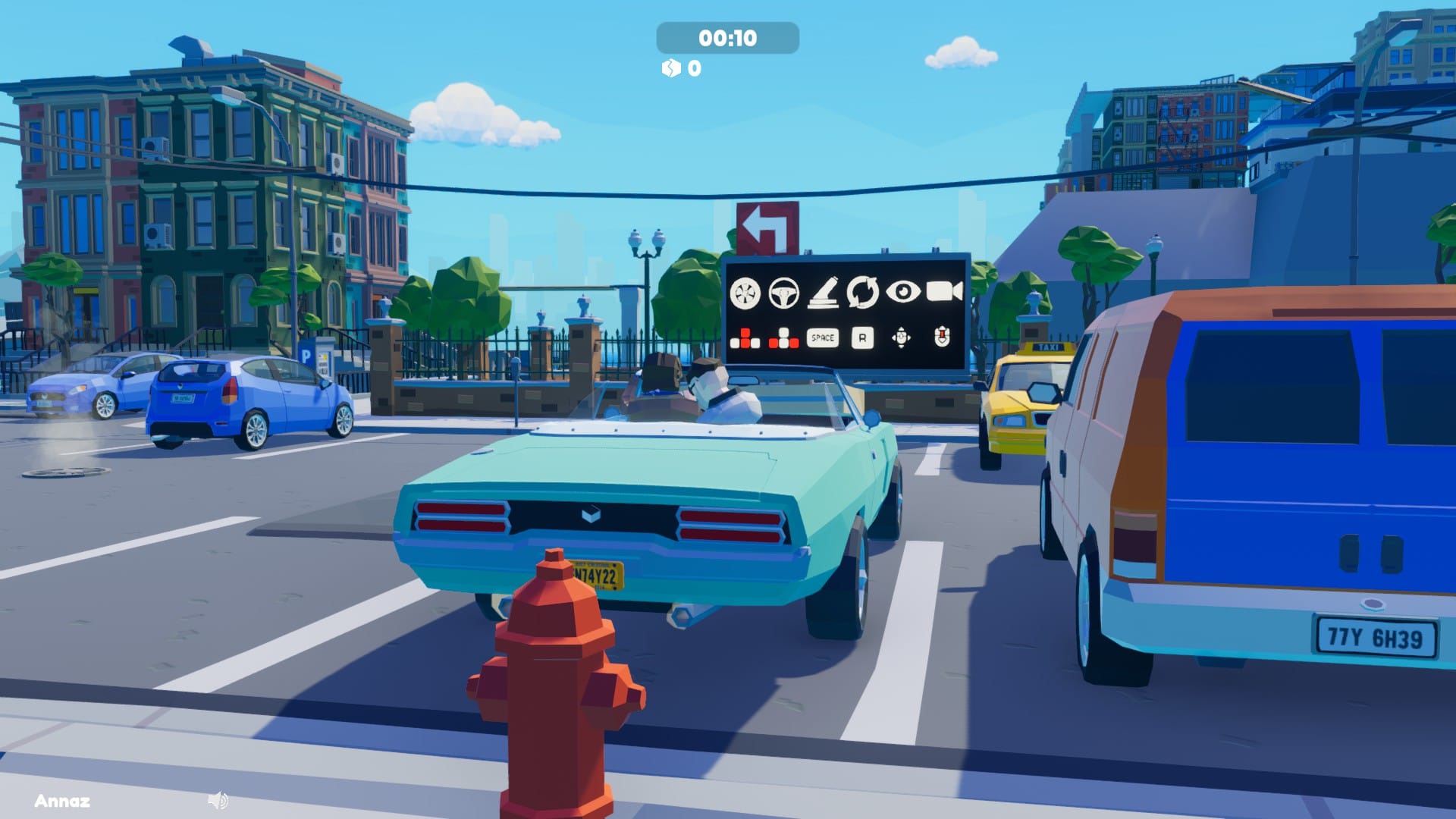
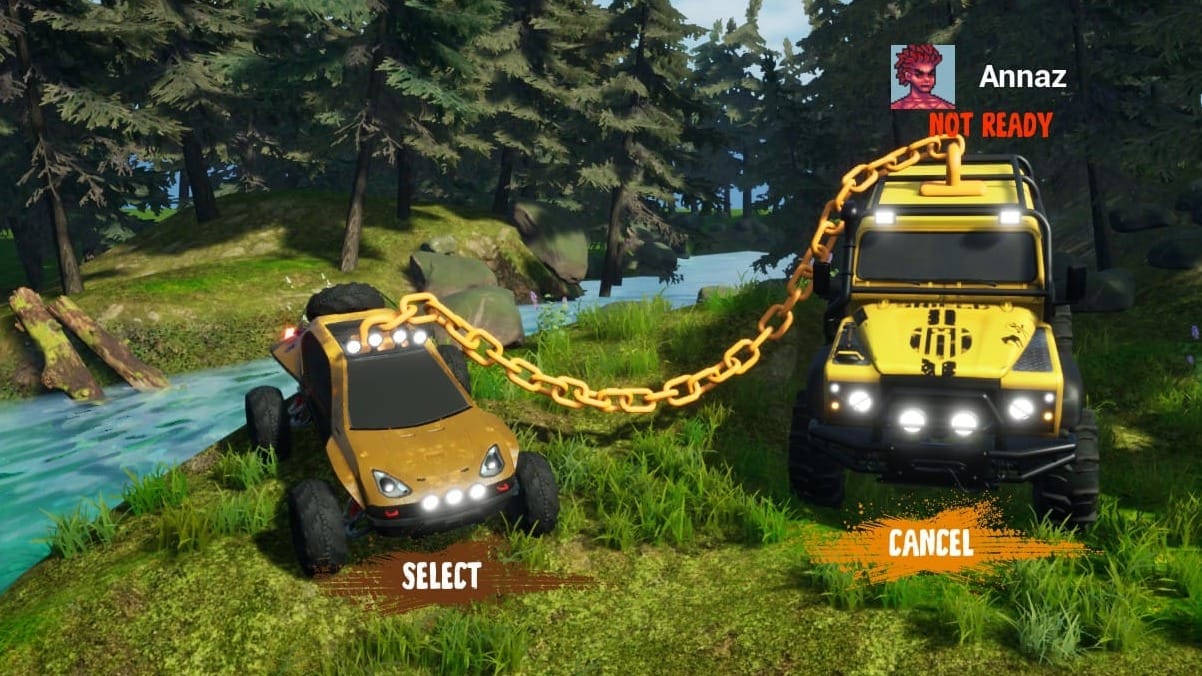
"Friend slop" co-op games are clearly having a moment. Titles like Paddle Paddle Paddle and RV There Yet? are proof that chaotic local multiplayer with friends is a viable commercial lane. If that's your genre, great. But there's a structural problem with leading with co-op in a demo context.
Demo players are, by definition, solo evaluators. They're not with their friends yet. They haven't recommended the game. They're trying to decide whether to wishlist it alone, often late at night, on their own machine. A demo that requires a second player to function meaningfully puts the burden of recruitment on someone who hasn't even decided if they like your game yet.
The move is a single-player option. Let one person fall in love with your game on their own. Then they'll do the selling to their friends for you.
5. Performance Optimization Is the Demo
This one should be obvious. It never stops being ignored.
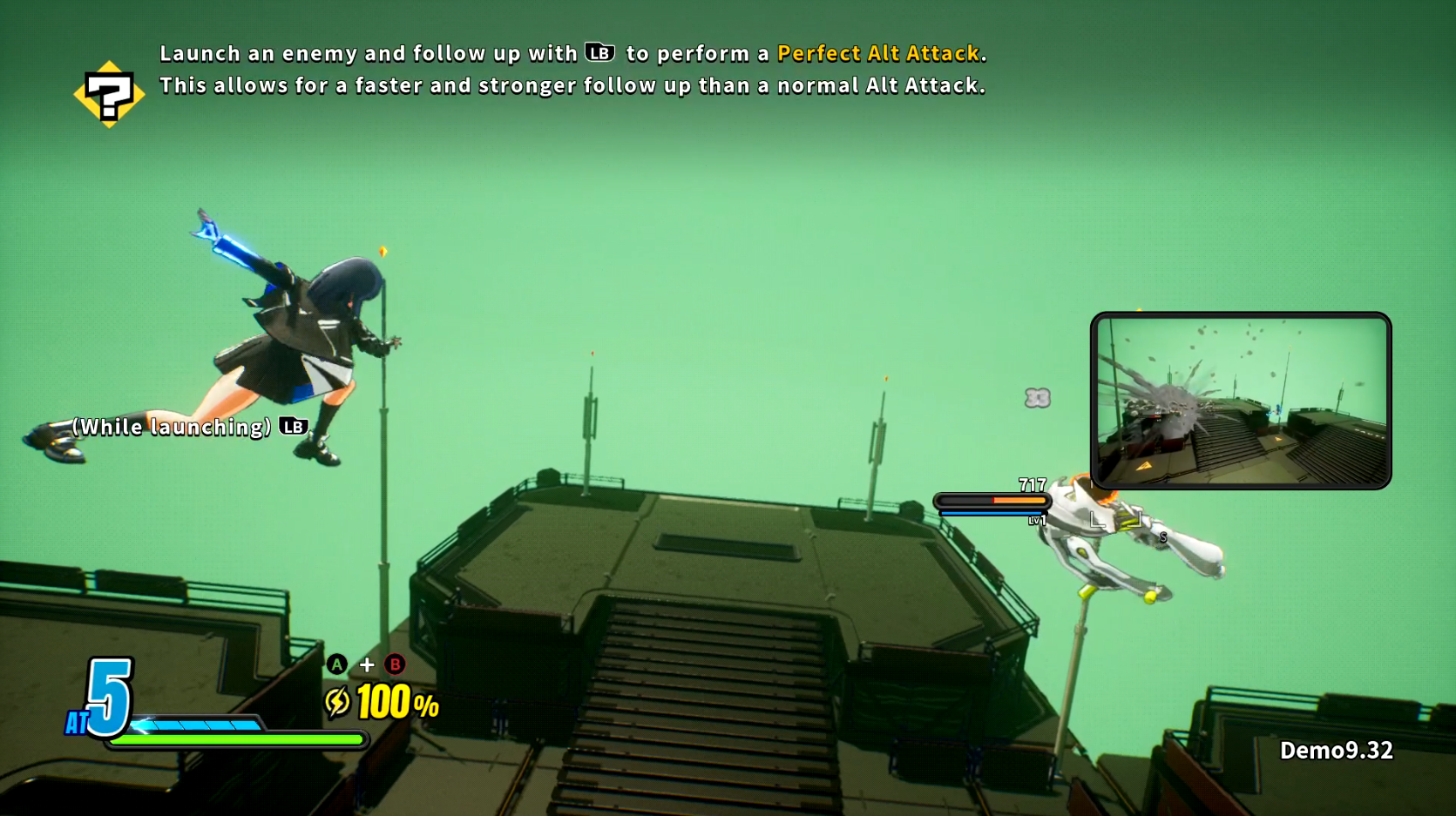
A demo is a technical first impression for your potential buyers. If your game stutters, hitches, or drops frames on a mid-range machine, you won't get the benefit of the doubt. You'll get a deletion. There are dozens of other demos one click away, and players during Next Fest are operating in triage mode: what's good, what's not, move on.
Optimization also matters more now because Steam Deck performance is scrutinized. Players check the Deck compatibility rating. Games that run smoothly on lower-end hardware signal a competent dev team. Games that melt a GPU on a basic scene signal a game that might launch broken.
Hit your frame targets before you submit to Next Fest. It's the bare minimum for a fair shot.
Final Verdict: What Separates Wishlists from Deletions
Steam Next Fest at 3,000 games is a buyer's market for players. The demos that convert aren't necessarily the best games, but they're definitely the best presented ones. The wishlist winners tend to nail the same fundamentals: they look good before they're even clicked, they run on the hardware people actually have, and they respect that the person evaluating them is alone and has limited time.
None of these lessons is technically hard. They're all execution discipline. The studios that treat Next Fest as a launchpad are the ones walking away with 10,000 wishlists. The ones who treat it as a "good enough" checkpoint don't get a second look.
If you're building toward the next fest, start with these five, and the conversion gap will show up in your numbers.
Have a Next Fest story as a dev or a player? Drop it in the comments. I want to hear what else stood out.


Comments ()