
What Is a Web3 Game? A Simple Beginner Guide for Gamers

Disclosure: This article contains referral links for certain page links provided. I may be compensated for successful referrals. These referral links may contain additional rewards for you.
Why “Web3 games” confuse most gamers
If you’ve been gaming for a while, you’ve probably heard the term Web3 game thrown around. It usually is followed by words like blockchain, crypto, NFTs, or play-to-earn.
If you’re like most gamers I talk to, your reaction is somewhere between confusion and skepticism.
I felt the same way at first.
The problem isn’t that Web3 games are impossible to understand. It’s that they’re often explained using crypto-first language instead of gamer-first language. This was the problem I had when I tried playing web3 games back in 2021.
In this guide, I’m stripping out the jargon and explaining Web3 games in a way that I wish someone had explained them to me.
Web1, Web2, Web3, explained in plain English
To understand the use of the 'Web3' terminology, it's helpful to take a step back to learn the exact definitions.
- Web1 was the early internet.
- You could read content, but not interact much.
- Static websites.
- No ownership.
- Web2 is the internet we use today.
- Social media, live services, online games.
- You can create content, but platforms like Meta, X, or Google owns it.
- Web3 shifts ownership to users.
- Your assets live on a blockchain.
- Data is not on a company’s private server anymore.
In gaming terms, that last point matters.
If a Web2 game shuts down, everything tied to that game disappears with it. In Web3, your items can still exist independently of the game studio. Ownership is recorded on the blockchain. Another game developer can carry forward the data used to continue with the development of that game.
That’s the core idea. Everything else is built on top of it.
What actually makes a game “Web3”?
A Web3 game isn’t defined by art style, genre, or budget. It’s defined by how it handles ownership.
1. You use a wallet
Instead of everything living inside one game account, Web3 games connect to a wallet.
Think of a wallet like:
- A universal inventory
- A save file that exists outside the game
- A proof-of-ownership system
If you mostly play games on one blockchain, you usually only need one wallet.
2. Items are tokens or NFTs
Items you earn or buy are stored as:
- Fungible Tokens similar to soft currencies or premium currencies
- Non-Fungible Tokens (NFTs) comparable to equipment, characters, skins, or mounts
If you’ve played MMOs with auction houses, this will feel familiar. The difference is that these items are no longer locked to a single game client.
3. Ownership is verifiable
Ownership isn’t based on trusting a company database. It’s recorded on-chain in a public ledger.
That means:
- Developers can’t delete items arbitrarily
- Ownership history is transparent
- Assets can be traded outside the game
This is the real innovation sought by those in the web3 space.
Web2 games vs Web3 games
Here’s the cleanest way I’ve found to explain the difference between web2 and web3:
| Feature | Web2 Games | Web3 Games |
|---|---|---|
| Item ownership | Controlled by the developer or store | Owned by the player via blockchain |
| Trading items | Locked to in-game or official marketplaces | Can be traded on open secondary markets |
| Asset records | Stored on company servers | Recorded on a public blockchain |
| Game shutdown | Items are lost | Items still exist in your blockchain wallet |
If you’ve ever lost skins, characters, or progress when a game closed, you already understand why Web3 appeals to some players.
What Web3 does not automatically mean
This is where most misconceptions come from.
Web3 does NOT automatically mean “Play-to-Earn.”
Yes, you’ve probably seen stories of people making money from Web3 games, especially Axie Infinity back in 2021. You could even be interested in web3 games because you've been hearing about this specifically.
But a Web3 game is simply a game that uses blockchain as part of its design.
- Earning money is a side effect, not the core goal
- Most modern Web3 games focus on play-and-own, not grinding for cash
- Open economies exist whether or not you participate financially
If a game only works when new players pump money in, it’s not a sustainable game, Web3 or not.
Web3 does NOT automatically mean Pay-To-Win
This is another common fear.
Yes, players can buy powerful items.
But that’s already true in many free-to-play games today.
The difference is in design balance:
- Skill still matters
- Competitive modes usually cap advantages
- Expensive items don’t guarantee leaderboard dominance
Good Web3 games still reward mastery, not how thick your wallets are.
Blockchains matter, but games matter more
Web3 games are often grouped by the blockchain used. The major blockchains competing in the gaming space are Immutable, Ronin, Arbitrum, AVAX, Solana, and Abstract.
But here’s my honest advice:
Pick the game first. Not the chain.
As a player, you’ll feel game design, pacing, and progression long before you feel infrastructure differences.
If you’re curious, here are two methods to find web3 games.
1. Browse from Game Storefronts
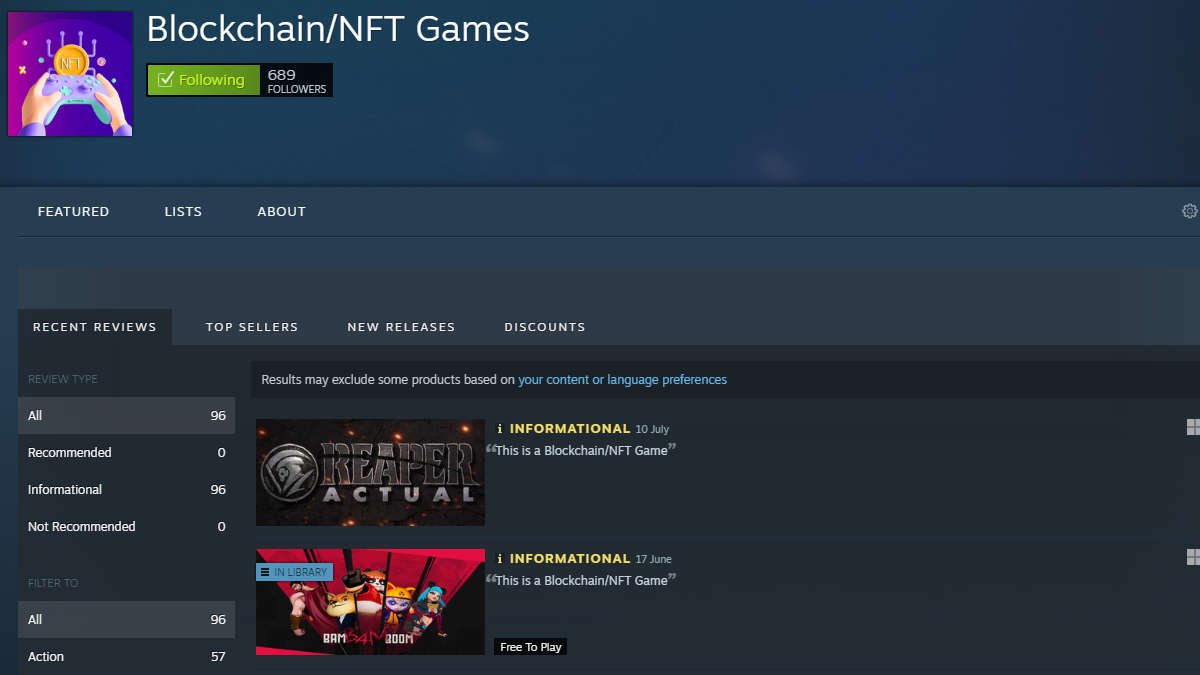
On Steam, it's as easy as following Steam Curators that tag or review web3 games.
- Blockchain/NFT Games Steam Curator has a simple tagging of all games using blockchain on Steam. There is no review to provide more details. But this is already helpful as it is, as Steam does not have a 'blockchain' tag in the Steam store yet.
- My own AnnazPlays Steam curator page has a smaller list of web3 games that I've already reviewed. Consider using my list if you're finding specific games to play based on good gameplay reviews.
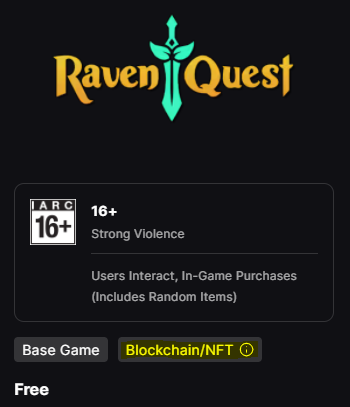
On Epic, there's a tagging on each specific game if it contains any blockchain/NFT elements. Though this tagging can't be used to browse on the Epic Store.
2. Search directly from Blockchain landing pages
Certain blockchains that are focused on gaming have their own page for games. Some of these are:
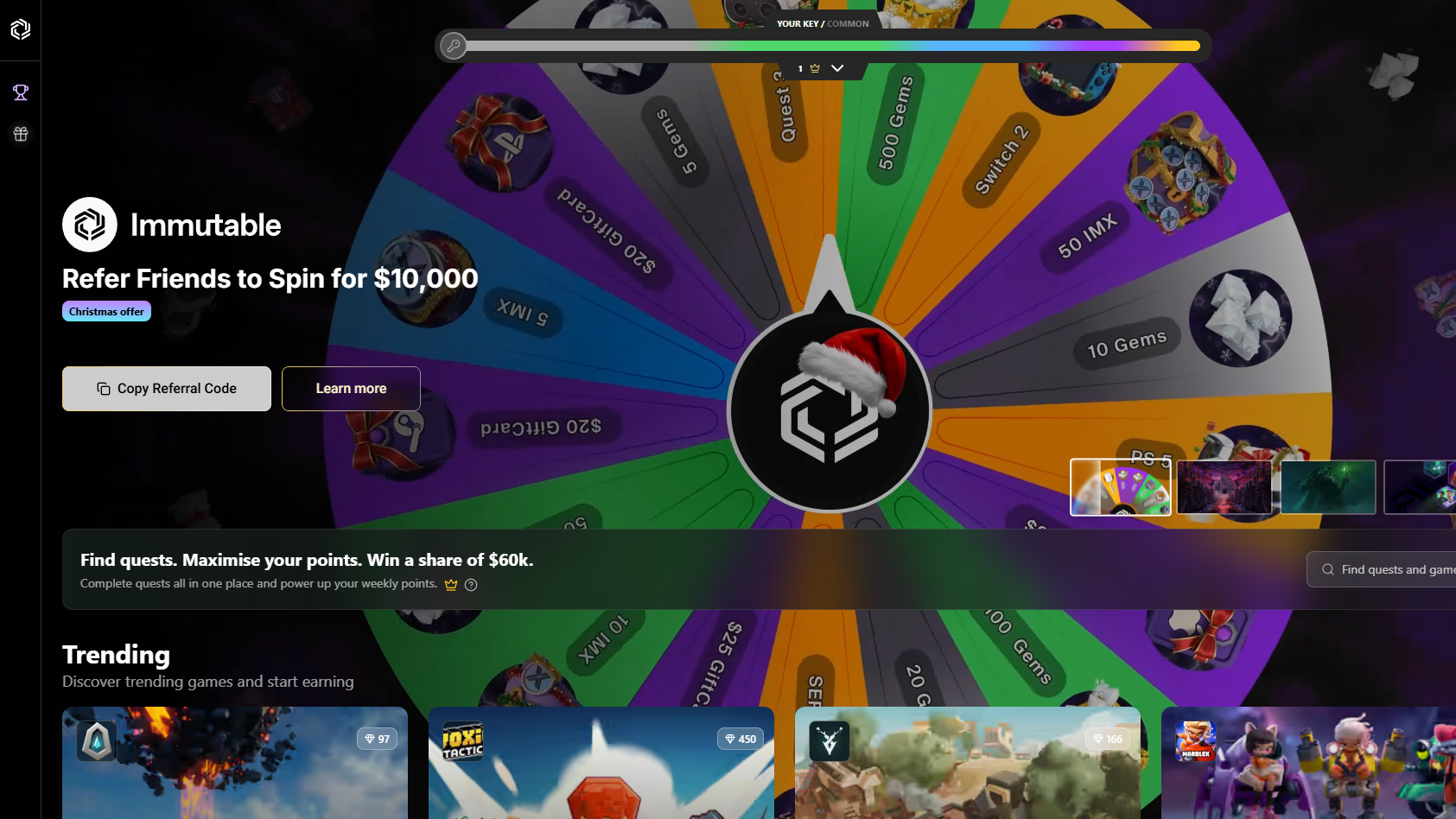
- Immutable Play
Immutable's quest programme for gamers to enjoy rewards while playing games that use the Immutable chain. Signing up there allows you to create your Immutable wallet and find games directly on the site.
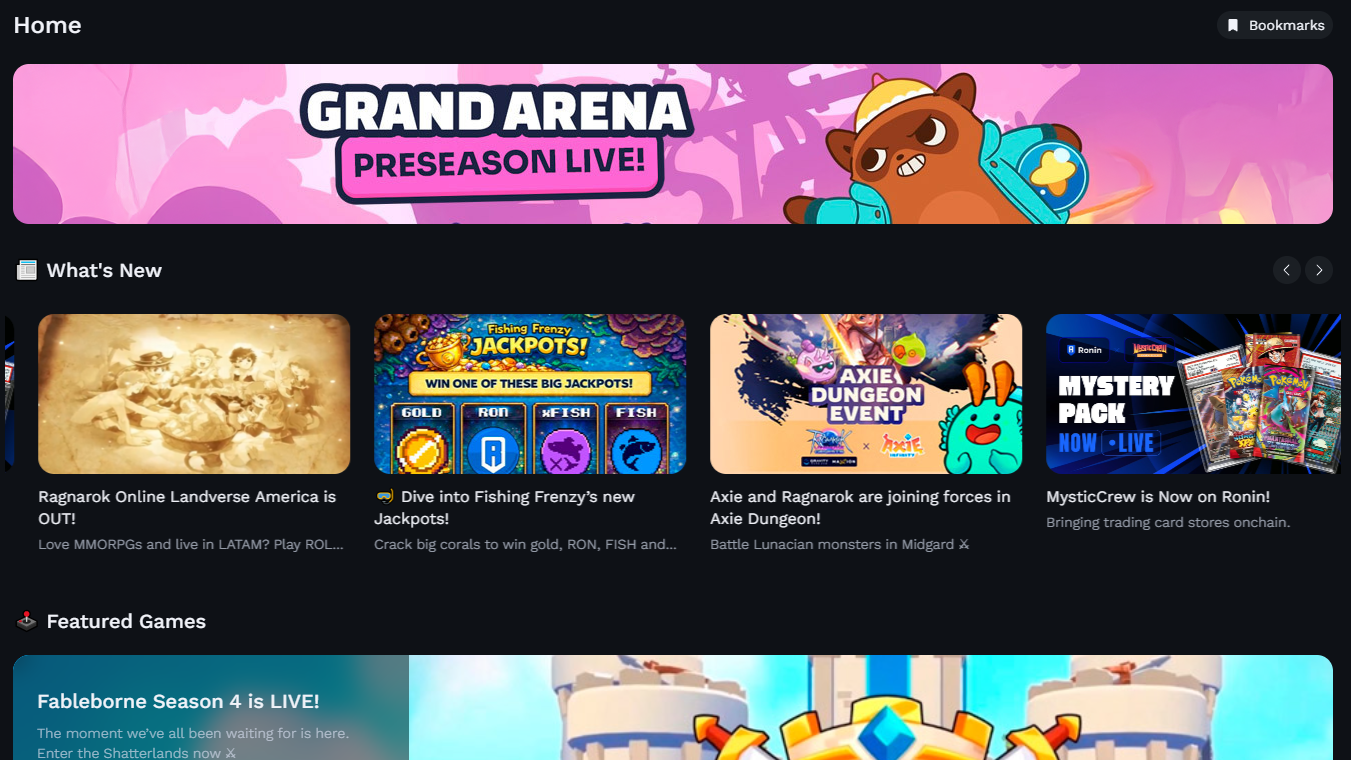
- Ronin App
Ronin's all-in-one application for gamers to get started. You can either download the app on iOS/Android or via a web app instead. All games using the Ronin chain are listed in the app.
Who Web3 games are actually for right now
Web3 gaming isn’t for everyone, yet.
But based on what I’ve played and reviewed since 2021, it does make sense if you:
1. Care about permanent ownership
You don’t like losing items when servers shut down.
2. Enjoy trading and player-driven markets
You liked auction houses, trading posts, or skin economies.
3. Spot inefficiencies
You enjoy buying low, selling high, and understanding supply/demand
If you just want a casual, zero-friction experience with no setup, Web2 games are still simpler. That’s the trade-off.
Are Web3 games worth playing?
Web3 games aren’t a replacement for Web2 games.
They’re an alternative model.
When done right, they combine familiar game mechanics with real ownership and open economies. When done poorly, they feel like financial experiments disguised as games.
My rule of thumb:
If the game isn’t fun without the blockchain, it’s not worth your time.
Web3 Game recommendations to get started:
 Annaz
Annaz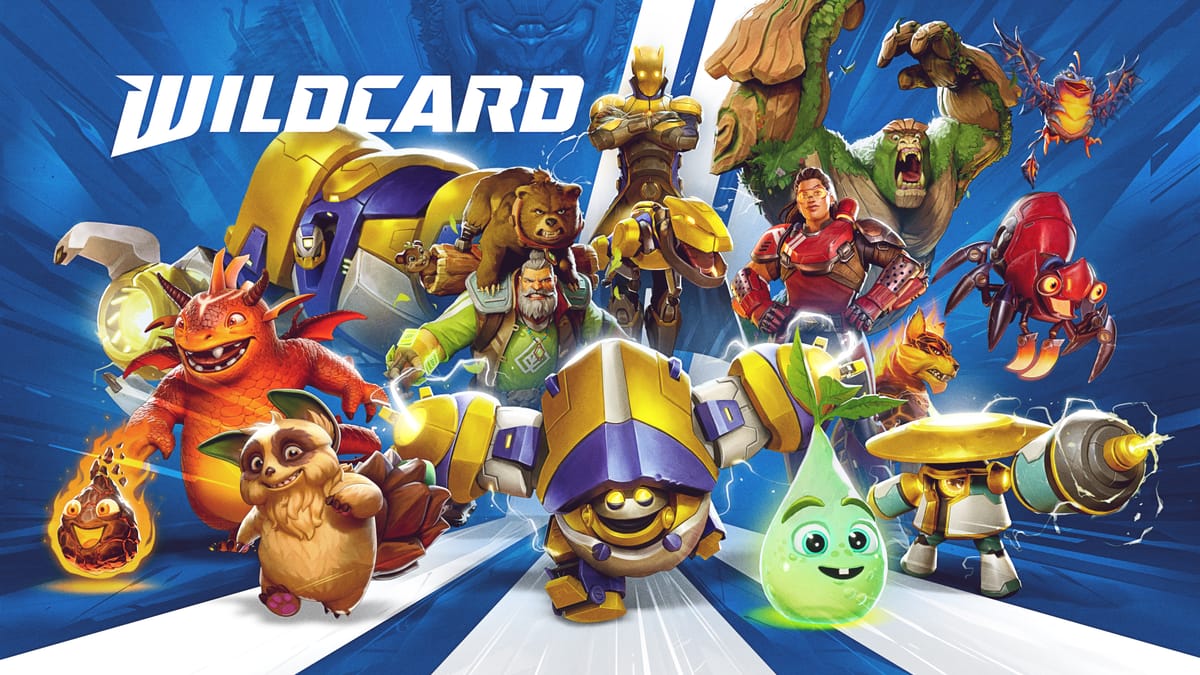
 Annaz
Annaz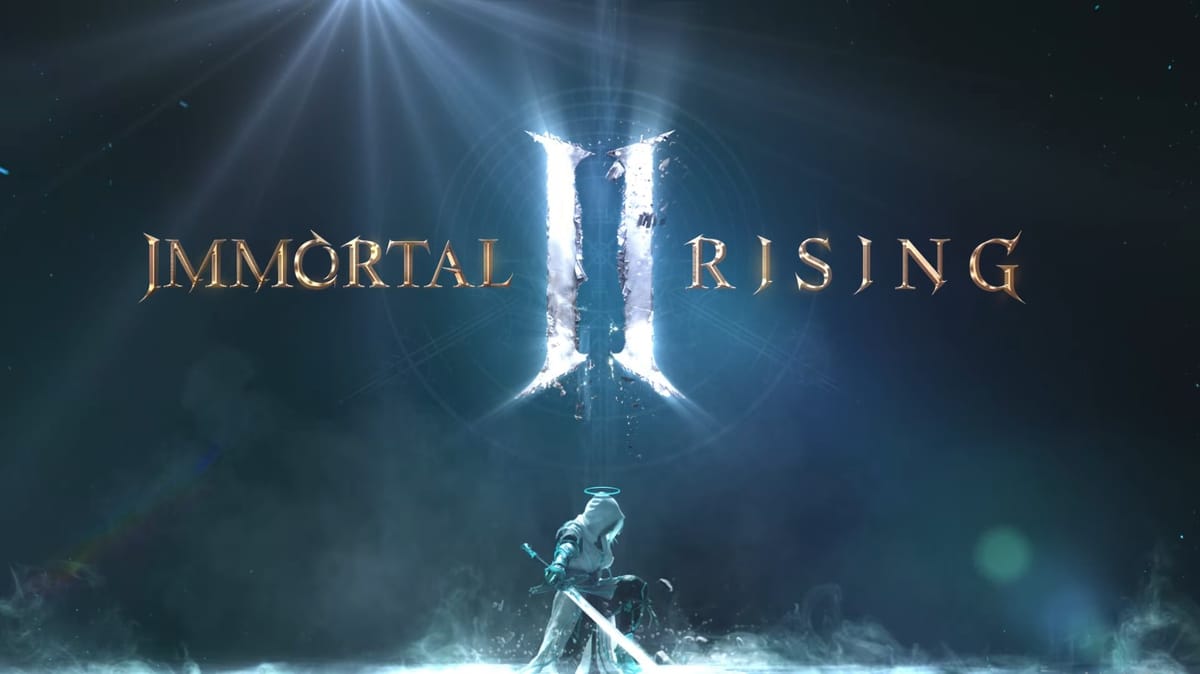
 Annaz
Annaz

Comments ()